Most car dents can be repaired when the panel is not torn, rusted through, or structurally unsafe. Shallow round dents, door dings, many hail dents, and some creases are usually candidates for Paintless Dent Repair (PDR), while cracked paint, stretched metal, sharp impact points, rust, holes, and collision damage often require conventional bodywork or panel replacement.
Key facts at a glance
PDR usually works best when factory paint is intact and the metal has not been sharply stretched.
A shallow dent can remain repairable even when it is large, while a small sharp dent may require paintwork.
A crease crossing a body line is more difficult because the stamped contour has been deformed.
Cracked, chipped, or missing paint changes the repair from purely cosmetic metalwork to corrosion-control and refinishing.
Aluminum panels can be repaired, but they require different tooling, heat control, and technician experience.
Typical US pricing ranges from about $75 for a minor ding to more than $2,500 for major collision damage.
Which Car Dents Can Be Repaired?
Round dings, shallow hail dents, moderate creases, sharp dents with limited stretching, bumper depressions, and many collision dents can be repaired. The correct method depends on four linked attributes: panel material, dent depth, paint condition, and whether the impact damaged an edge, body line, reinforcement, or safety system.
A technician does not judge repairability by diameter alone. A smooth 12-inch depression in a flat steel door may be easier than a 2-inch crease over a wheel arch. Access behind the panel also matters because PDR requires controlled pressure from the rear or a carefully managed glue-pull from the exterior.
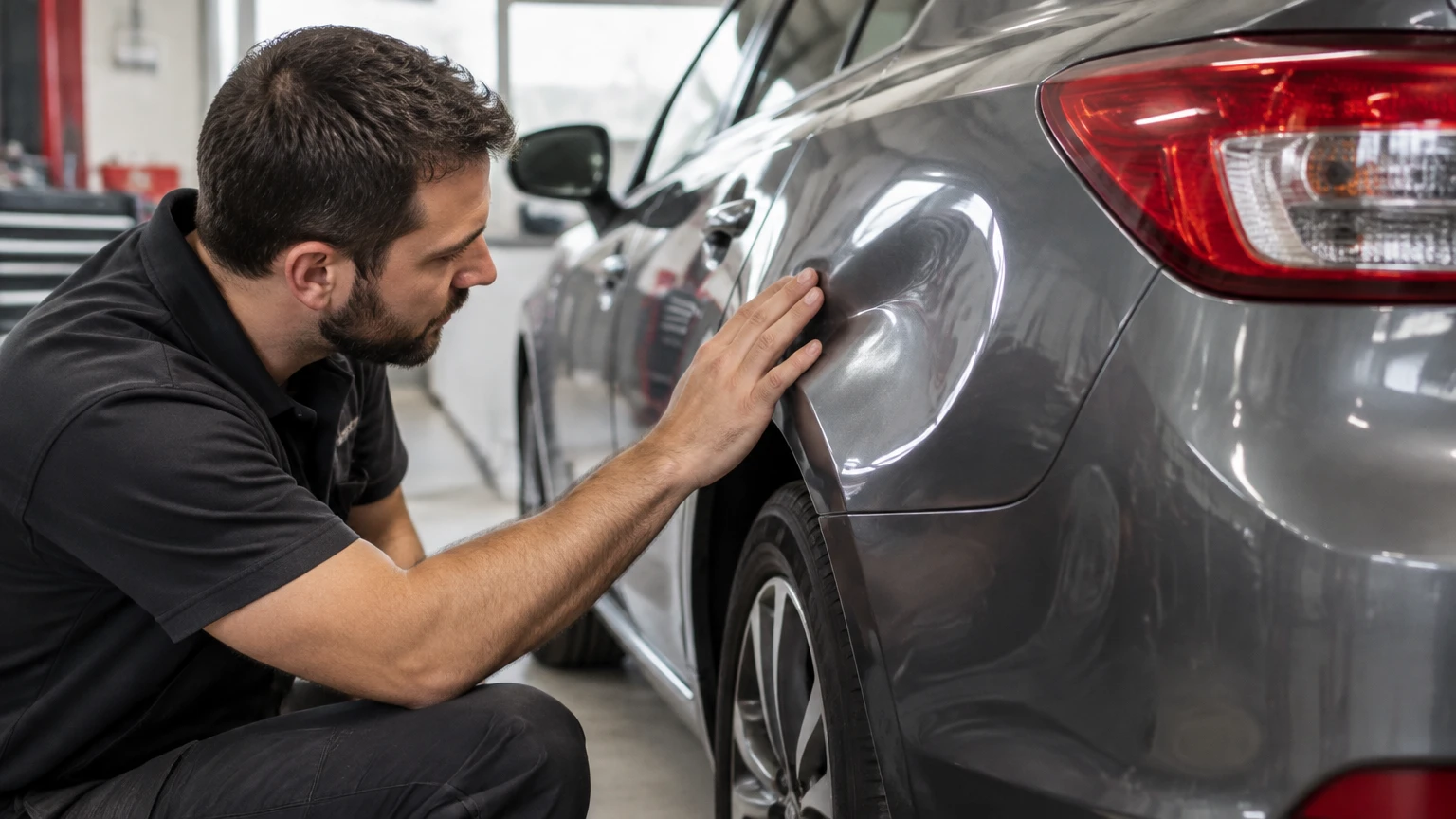
The repair decision should begin with inspection rather than a DIY experiment. A professional checks the reflection of a PDR light, identifies stretched or sharply folded metal, measures paint damage, and examines the inner side of the panel for bracing, wiring, airbags, and sensor hardware.
What makes a dent repairable?
A dent is more likely to be repairable when the depression has smooth contours, the surrounding paint remains bonded, the panel edge is undamaged, and the metal has not formed a tight fold. Factory steel generally retains useful shape memory after a minor impact, allowing a technician to return the panel gradually toward its stamped contour.
A dent becomes less suitable for PDR when the impact creates a sharp crown, torn metal, a split seam, severe paint failure, rust, or a large stretched area. PDR can improve some difficult damage, but it cannot restore missing metal or replace a broken paint film.
How Does Paintless Dent Repair Work?
Paintless Dent Repair restores a panel from the rear without sanding, filler, primer, or repainting. The technician uses a reflection board or LED light, specialized rods, wedges, and sometimes adhesive tabs to locate and move the lowest areas in a controlled sequence.
The light does not remove the dent. It reveals distortion in the panel so the technician can distinguish low spots from high spots and avoid creating visible “crowns” or small raised marks. Pressure is applied in many small movements rather than one forceful push.
Typical PDR stages include:
- Inspect the damage. The technician records paint condition, panel material, access points, depth, and proximity to a body line.
- Create access. Trim, vapor barriers, lamps, handles, or inner liners may be removed; safe access avoids wiring and airbag components.
- Map the dent. A line board or LED reflection identifies the center, edges, crown, and transition areas.
- Release tension. The technician reduces pressure around the dent’s perimeter before raising its lowest point.
- Restore the contour. Rod tips or glue tabs move the metal in small increments toward the original shape.
- Refine the finish. High spots are gently lowered and texture is blended until the reflection runs evenly.
- Reassemble and inspect. Removed components are refitted, and the panel is checked from multiple angles and lighting conditions.
PDR commonly takes 15-60 minutes for an isolated minor ding and 1-5 hours for a difficult crease. Large hail claims may require a full day or several days because the number of impacts, not one dent’s size, controls labor.
What Types of Dents Are Usually Repairable?
Round dents and door dings
Round dents are shallow, symmetrical depressions caused by hail, a shopping-cart impact, or a ball. When the paint remains intact, PDR is normally the first choice because the metal can be moved without changing the vehicle’s original finish.
Typical isolated repair pricing is $75-$200 for a small ding, although access, aluminum construction, body-line involvement, and local labor can increase the quote. A group of hail dents often costs $1,000-$4,000 or more because dozens or hundreds of individual corrections may be required.
Crease dents
Crease dents are narrow, elongated folds caused by a branch, bicycle handlebar, door edge, or sideswipe. A shallow crease with intact paint may respond well to advanced PDR, but a sharp fold compresses and stretches the metal along a longer path.
A typical crease repair takes 2-5 hours and costs approximately $250-$600. A crease that crosses a door character line, terminates at a panel edge, or includes cracked paint may need partial conventional repair and refinishing.
Technicians usually work from the ends toward the center, gradually relaxing the compressed spine. Pushing directly at the deepest point first can create a raised ridge and leave a visible “worm” or wavy reflection.
Sharp dents and impact points
Sharp dents have a focused bottom and steep edges. A door corner, stone, dropped tool, or metal object can create this pattern, which frequently damages the clear coat or color coat at the impact point.
A small sharp dent may be reshaped with PDR if its paint remains flexible and the metal is not torn. Chipped paint, exposed steel, a deep puncture, or a stretched crater generally requires conventional repair, including corrosion protection and paint blending.
Typical painted repair pricing is $200-$500 or more and often takes 1-2 days because preparation, flash times, curing, and color blending control the schedule.
Large collision dents
Large collision dents extend across a broad panel or cross multiple body contours. Low-speed impacts with posts, pillars, or other vehicles can leave a repairable panel, but the visible depression may hide bent reinforcement, damaged mounts, wiring, or Advanced Driver Assistance Systems (ADAS).
A body shop may remove trim, pull the panel with welded studs or mechanical equipment, shrink stretched areas, apply limited filler, prime, refinish, and calibrate sensors. Typical cost is $500-$2,500 or more, with a 3-5 business-day timeframe when parts and paint work are uncomplicated.
Panel replacement becomes more sensible when the metal is torn, the flange is distorted, the repair would require excessive filler, or labor approaches the price of a replacement panel.
Plastic bumper dents
Plastic bumper covers are not metal dents, but many hollow depressions can be repaired with controlled heat and reshaping. Thermoplastic material may return toward its molded form after heating, while cracks, broken tabs, detached mounts, and deep paint damage require plastic welding, refinishing, or replacement.
Hot water can sometimes soften a plastic bumper cover, but the technique does not repair steel or aluminum panels. Excessive heat can distort textured plastic, melt trim, damage radar covers, or weaken mounting areas.
Which Repair Method Fits Each Dent?
| Damage condition | Preferred method | Typical time | Typical US cost |
|---|---|---|---|
| 1-inch shallow steel ding, intact paint | PDR | 15-45 minutes | $75-$150 |
| 4-inch round dent, intact paint | PDR | 45-120 minutes | $150-$350 |
| 12-inch hail group, 20-40 impacts | Hail PDR | 1-3 days | $1,000-$4,000 |
| Sharp 2-inch dent, chipped paint | Body repair and refinish | 1-2 days | $200-$500 |
| Deep crease across a body line | PDR or hybrid repair | 2-8 hours | $300-$900 |
| Torn or rusted panel | Replacement or metal repair | 2-5 days | $800-$2,500+ |
| Dented plastic bumper cover | Heat repair or replacement | 2-8 hours | $250-$1,200 |
PDR preserves the factory paint and usually avoids a vehicle-history claim for a minor cosmetic repair. Conventional repair works across a wider range of damage but introduces sanding, filler, primer, color matching, and clear-coat blending.
| Decision factor | PDR | Conventional body repair |
|---|---|---|
| Paint requirement | Usually intact and bonded | Paint may be cracked or missing |
| Metal requirement | Limited stretching and no tears | Can address stretched, folded, or torn areas |
| Typical small repair | $75-$400 | $300-$1,000 |
| Typical duration | 15 minutes-1 day | 1-5 business days |
| Factory finish | Preserved | Recreated with refinish materials |
| Filler use | None | Often used in controlled thickness |
| Color mismatch risk | None from repainting | Depends on paint match and blending |
| ADAS involvement | Inspection may still be needed | Calibration may add cost and time |
How Much Does Dent Repair Cost?
Dent repair typically costs $75-$400 for a minor PDR job, $200-$900 for a difficult crease or small painted repair, and $500-$2,500 or more for major collision damage. Prices vary by region, vehicle material, access, paint damage, panel location, and whether sensors require calibration.
| Repair scenario | Typical labor time | Typical price | Main price variable |
|---|---|---|---|
| Single door ding | 15-60 minutes | $75-$200 | Access and size |
| Two to five small dents | 1-3 hours | $150-$500 | Number and location |
| Difficult steel crease | 2-5 hours | $250-$600 | Body-line distortion |
| Aluminum hood dent | 1-6 hours | $250-$900 | Work-hardening and access |
| Painted sharp dent | 1-2 days | $200-$500+ | Prep and color blending |
| Large collision panel | 3-5 days | $500-$2,500+ | Structural and sensor damage |
| Hail-damaged vehicle | 1-4 days | $1,000-$4,000+ | Dent count and panel count |
Insurance may make sense when repair cost exceeds the deductible, but a minor dent can cost less than a claim’s administrative and future-premium consequences. A leased vehicle may justify PDR before return if the repair is below expected excess-wear charges, provided the lease company’s inspection standards are checked first.
Can Aluminum and EV Panels Be Repaired?
Aluminum dents can be repaired, but aluminum requires dedicated technique because the material work-hardens, springs back differently, and tolerates repeated manipulation less readily than conventional automotive steel. Tesla, Audi, Ford F-150, Jaguar, and other vehicles may use aluminum on hoods, doors, fenders, roofs, or structural sections.
A technician may need aluminum-specific rods, glue, tabs, heat management, isolated tools, and a repair plan that limits repeated movement. A 20%-40% premium is a reasonable typical expectation for difficult aluminum work, although material and location matter more than the vehicle badge.
Electric vehicles add inspection requirements rather than a completely different dent category. The shop must protect high-voltage components, avoid unsafe access near battery structures, and inspect cameras, radar, ultrasonic sensors, charging hardware, and wiring where applicable.
When should a panel be replaced?
Panel replacement is preferable when metal is torn, the mounting flange is distorted, rust has perforated the panel, a structural section is bent, or the estimated repair time exceeds replacement and refinish time. Replacement does not automatically mean a better result; an aftermarket panel may require alignment, additional preparation, and paint blending.
A shop should explain whether the quote includes clips, moldings, corrosion protection, seam sealer, paint blending, wheel alignment, and ADAS calibration. A low initial estimate can increase when hidden damage appears after disassembly.
What Damage Cannot Be Repaired With PDR?
PDR is not appropriate for torn metal, missing metal, perforated rust, severely cracked paint, heavily stretched “oil can” panels, damaged structural rails, or areas where safe tool access is impossible. PDR can sometimes improve these conditions, but it cannot recreate material, seal exposed steel, or restore a bent crash structure.
Repairability also changes when a dent affects a door latch, hood catch, trunk seal, fuel door, window mechanism, headlamp mount, bumper reinforcement, or sensor bracket. Cosmetic smoothness does not prove that the vehicle is safe.
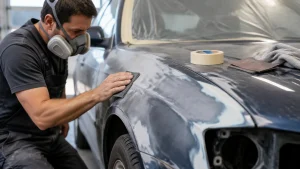
A panel with paint chips may still be repaired, but the process becomes a hybrid: metal reshaping followed by rust treatment, filler or surfacer, primer, color coat, and clear coat. The technician should not promise a factory-finish PDR result when the paint layer has already failed.
What Are the Most Common Dent-Repair Mistakes?
DIY dent repairs often create more damage because force is applied without reading the metal’s tension. Professional technicians use controlled lighting and incremental pressure; a household plunger or blind hammer does not provide that feedback.
- Using boiling water on a metal panel: Heat may affect plastic, but it does not soften steel or aluminum enough to restore a metal dent.
- Pulling aggressively with a cheap glue kit: Excessive adhesion can lift clear coat or paint, especially on a repaired or repainted panel.
- Hammering from behind without a reflection board: Blind taps create high spots that may be more visible than the original dent.
- Drilling access holes: Holes introduce corrosion risk and can damage wiring, reinforcements, or airbag components.
- Applying a suction cup to a crease: Suction may pull the broad surface while leaving the compressed spine, stretching the panel.
- Using a heat gun too close to paint: Localized heat can soften clear coat, distort plastic, or create gloss variation.
One practitioner rule is especially useful: if the dent has a sharp line, paint fracture, or visible panel edge distortion, stop experimenting and obtain an inspection before pulling it.
How Can You Check a Completed Repair?
A sound repair should look consistent from several angles, under direct and indirect light, with no sharp reflection breaks, pinholes, sanding scratches, paint-edge ridges, or visible filler texture. Open and close the affected panel, test seals and trim, and verify that lamps, handles, windows, and sensors operate normally.
A wavy line or repeated dimple pattern usually indicates incomplete metal leveling or excessive PDR pressure. A painted repair that sinks weeks later may contain undercured filler or surfacer; the proper correction generally involves sanding back the affected area, allowing materials to outgas and cure, then refinishing.
Ask the shop for:
- The repair method and reason for choosing it.
- A written estimate separating labor, parts, materials, and calibration.
- Confirmation that hidden damage and sensor brackets were inspected.
- The paint warranty and procedure for correcting shrinkage or mismatch.
- Before-and-after photographs for extensive or insurance-funded repairs.
Should You Repair a Dent or File an Insurance Claim?
Paying directly is often sensible for a $75-$400 PDR repair when the cost is below the deductible. Filing a claim becomes more reasonable when collision damage exceeds the deductible substantially, involves multiple panels, or includes safety systems and hidden structural damage.
Insurance rules vary by policy and jurisdiction. A shop estimate should come before authorizing work, and the owner should understand whether the claim affects coverage, deductible responsibility, rental-car benefits, or a vehicle history record.
For a lease return, compare the PDR invoice with the leasing company’s wear-and-use schedule. For a high-value vehicle, preserving original paint can matter more than minimizing the first repair quote, particularly when a poor repaint creates measurable color or texture differences.
FAQ
Can a dent be repaired if the paint is scratched?
A dent with a light surface scratch may still receive PDR, followed by polishing or touch-up. If the scratch penetrates the clear coat or exposes metal, the repair needs corrosion protection and paintwork. The dent can be reshaped without repainting, but the complete cosmetic repair cannot be classified as paintless.
Is a large dent always more expensive than a small dent?
No. A large, shallow dent in a flat door can cost less than a small crease over a body line. Labor increases when metal is sharply folded, stretched, difficult to access, made from aluminum, or positioned near trim, reinforcement, or ADAS hardware.
How long does paintless dent repair last?
A correctly completed PDR repair is permanent because the original metal contour is restored rather than temporarily covered. The repair can fail only if the panel is struck again, the metal was already fatigued or stretched beyond recovery, or the original work left hidden tension that later becomes visible.
Can a dent near a body line be repaired?
Many dents near a body line can be repaired, but the body line increases difficulty and price. The technician must restore both the flat panel and the crisp stamped transition. A severe fold on the line may require hybrid bodywork or replacement if the contour cannot be reconstructed cleanly.
Will dent repair reduce a car’s resale value?
PDR usually has the smallest resale impact because it preserves factory paint and avoids a repaint record. Conventional repair can still be high quality, but visible color mismatch, excessive filler, poor panel gaps, or an accident-history entry may reduce buyer confidence and valuation.
How do I find a qualified dent-repair technician?
Choose a technician who shows before-and-after work on comparable steel or aluminum panels, explains the repair limit, carries appropriate insurance, and uses controlled lighting during inspection. Ask whether the shop handles ADAS checks and whether the written estimate identifies repainting, panel replacement, trim removal, and calibration separately.
The Bottom Line
Most standard dents are repairable, but the best method depends on paint integrity, metal stretching, dent geometry, panel material, access, and hidden safety damage. For intact paint and smooth deformation, request PDR first; for cracked paint, torn metal, rust, sharp folds, or collision distortion, choose conventional body repair or panel replacement. The answer to What Types of Car Dents Can Be Repaired? is broad, but a safe repair decision requires inspection rather than dent size alone.