Can You Paint Over Existing Car Paint? Prep Rules
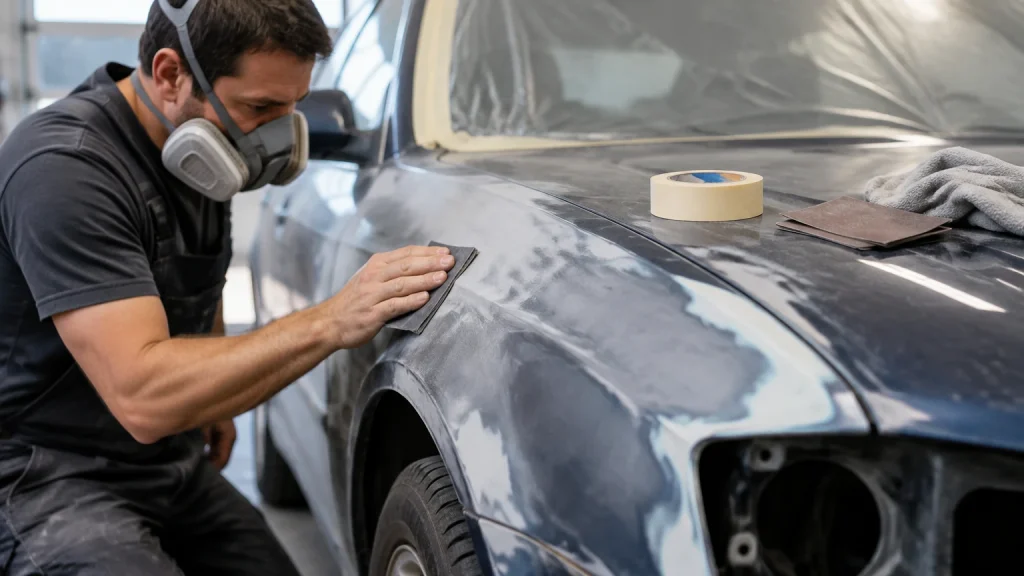
Yes, you can paint over existing car paint when the old coating is firmly attached, free from active rust, chemically compatible, and thoroughly cleaned and abraded. New automotive paint should never be sprayed directly over a glossy finish because it lacks sufficient mechanical tooth, allowing peeling, bubbling, or delamination. Key Facts at a Glance A […]
How to Fix Peeling Clear Coat on a Car: DIY Steps
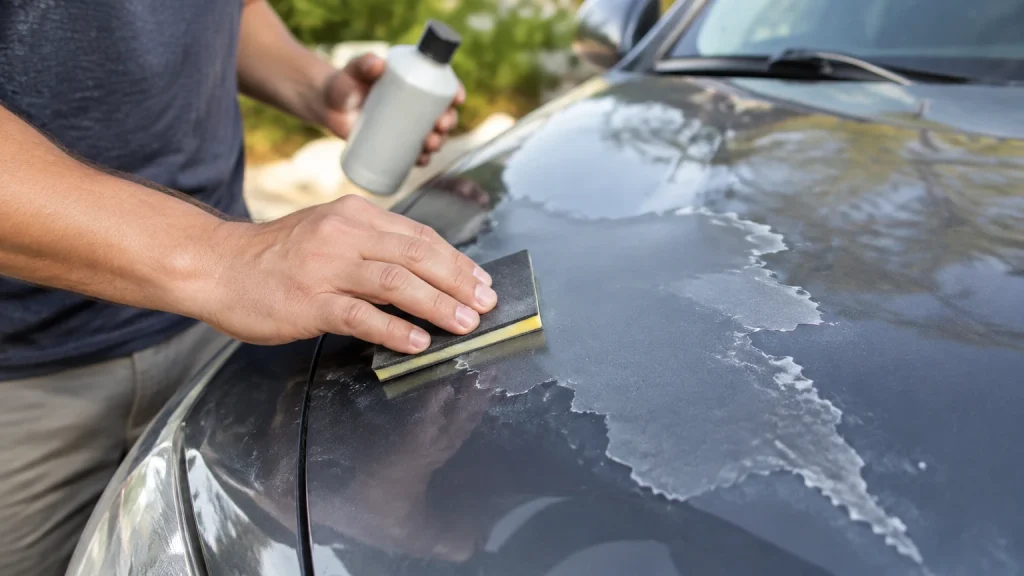
To fix peeling clear coat on a car, remove every loose layer, feather the remaining edge, restore any damaged base color, and apply compatible automotive clear coat. A small, stable repair can take 4-8 hours of active work plus 24-48 hours of curing, but widespread delamination usually requires refinishing the entire panel. Key facts at […]
How Does Repainting Affect a Car’s Resale Value? A Practical Valuation Guide
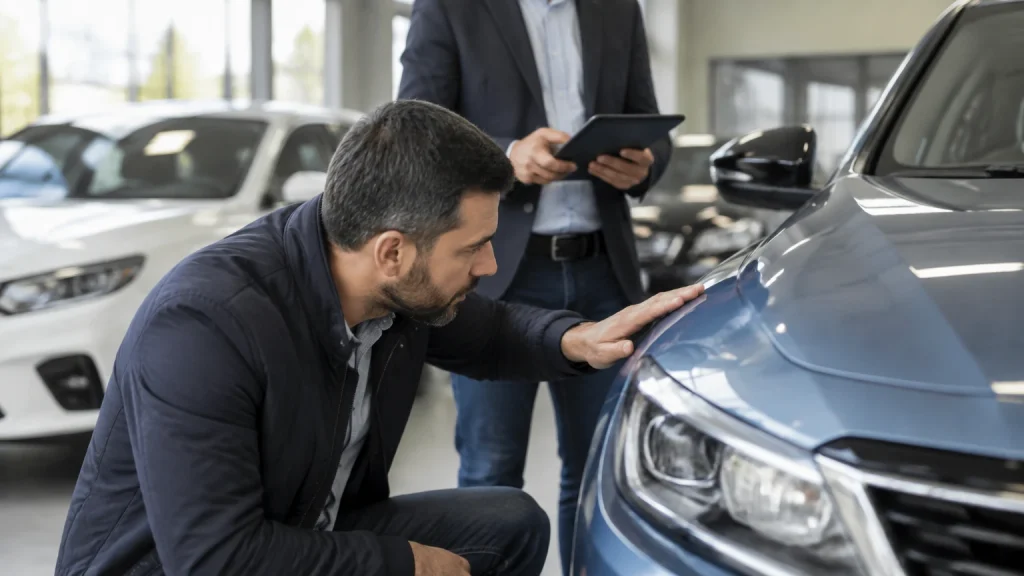
Repainting a car can reduce resale value by roughly 10%-30% when the work is poorly documented, visibly low quality, or suggests accident, rust, or structural damage. A factory-quality repaint can limit the loss, and may increase the value of a classic or severely weathered vehicle, but original factory paint usually remains more desirable on modern […]
Can Rear-End Collision Damage Affect Wheel Alignment?
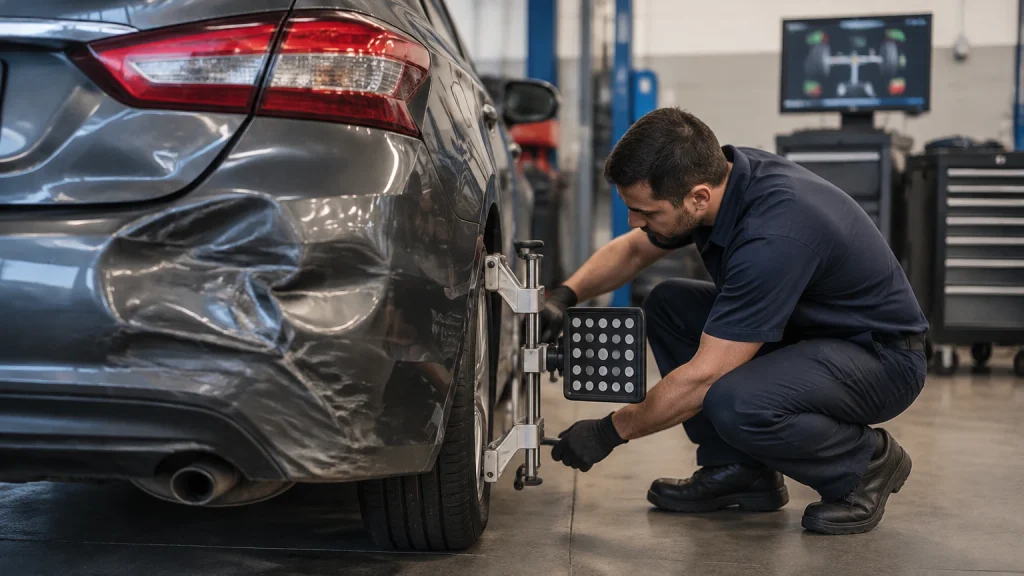
Yes, rear-end collision damage can affect wheel alignment by bending suspension links, shifting a rear subframe, moving an axle, damaging wheel hubs, or distorting the vehicle structure. A bumper impact does not guarantee misalignment, but any collision that changes wheel position, thrust angle, or suspension mounting points requires a documented alignment inspection before normal driving. […]
Can Bad Suspension Cause Uneven Tire Wear? Diagnosis Guide
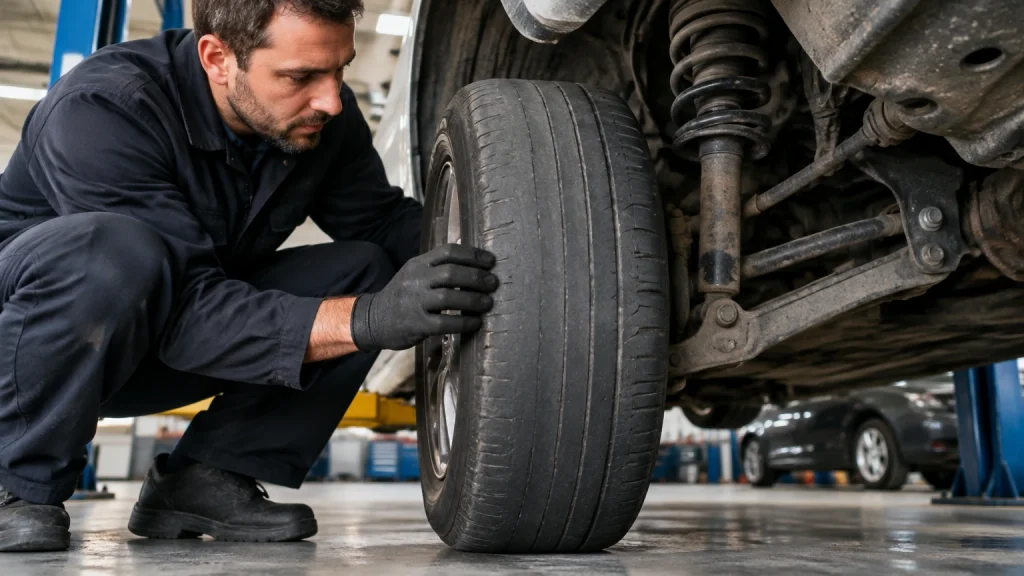
Yes, bad suspension can cause uneven tire wear, often by changing wheel alignment or allowing the tire to bounce against the road. Worn shocks, struts, control-arm bushings, ball joints, and related parts can produce cupping, feathering, or inner-edge wear. However, incorrect tire pressure, poor alignment, wheel imbalance, and bent wheels can create similar patterns. Key […]
What Causes a Car to Pull to One Side? Fix It
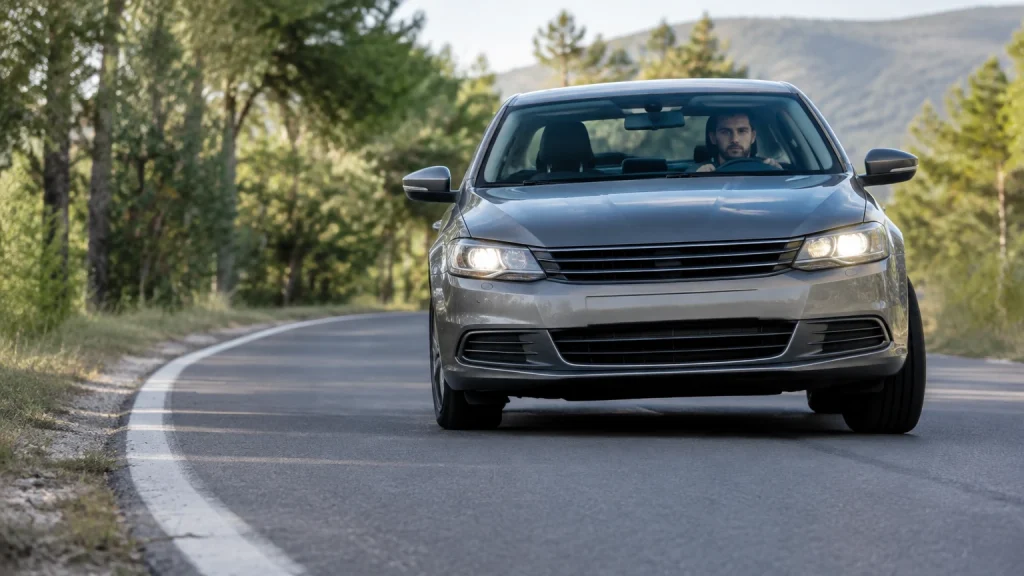
A car pulls to one side when tire forces, wheel alignment, braking force, or suspension movement become unequal between the left and right wheels. The most common causes are incorrect tire pressure, a tire defect, alignment deviation, a dragging brake, or worn steering and suspension parts. A constant pull differs from a pull during braking […]
Can Rear-End Collision Damage Affect a Car’s Resale Value?
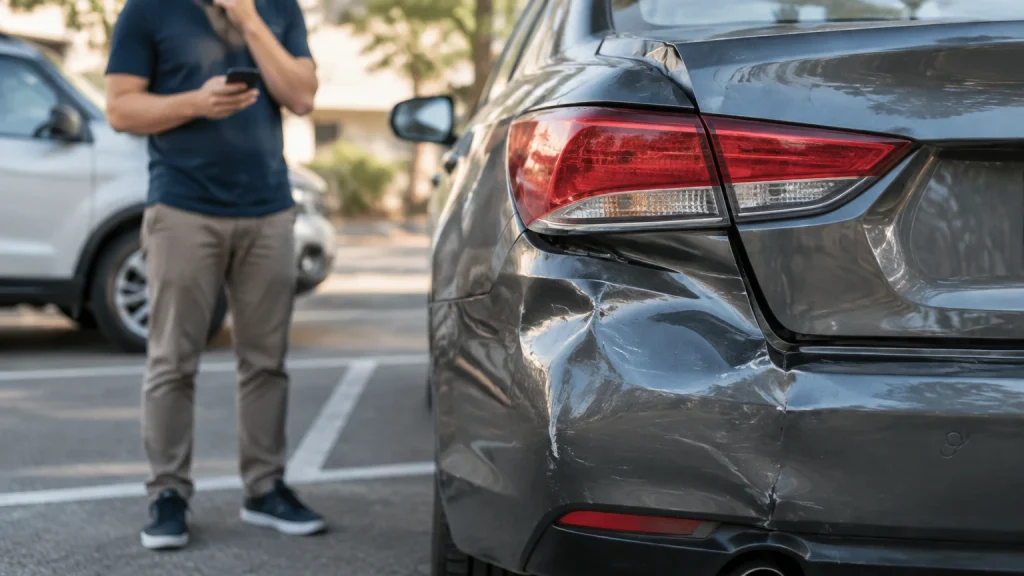
Yes, rear-end collision damage can reduce a car’s resale value even after professional repairs. The loss usually comes from an accident-history discount, reduced buyer confidence, and any remaining repair defects, with typical market reductions ranging from about 5% for a documented cosmetic claim to 30% or more for severe structural damage. Key facts A repaired […]
What Are the Different Types of Automotive Paint? A Practical Guide
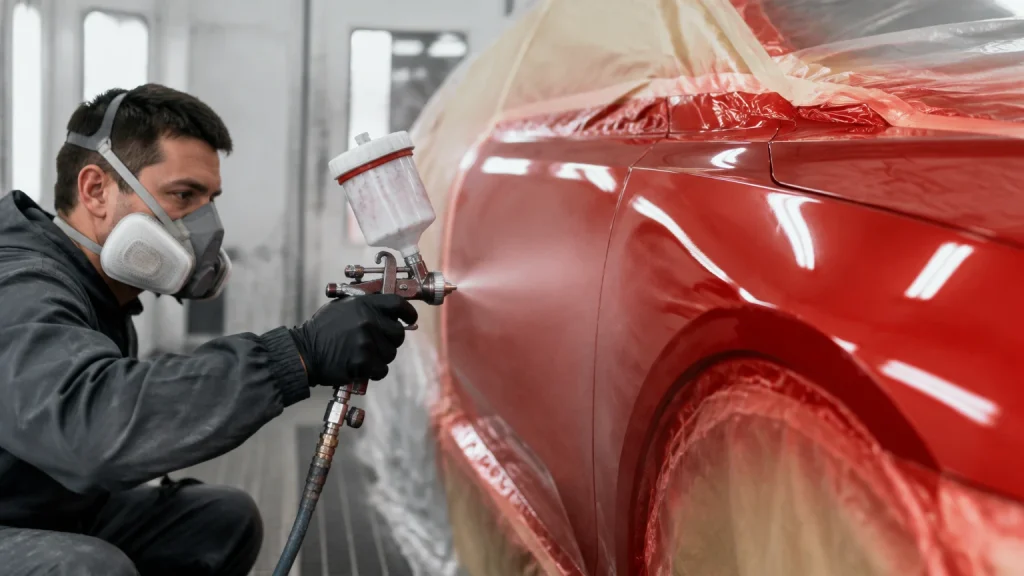
Automotive paint includes several coating chemistries, application systems, and appearance finishes. The main chemistries are urethane, acrylic enamel, acrylic lacquer, and waterborne paint, while epoxy primer and powder coating handle specialized jobs. Single-stage, basecoat-clearcoat, and tri-coat systems determine how color, gloss, durability, and repair complexity interact. Key Facts at a Glance What Does Automotive Paint […]
What Is the Difference Between Single-Stage and Two-Stage Car Paint?
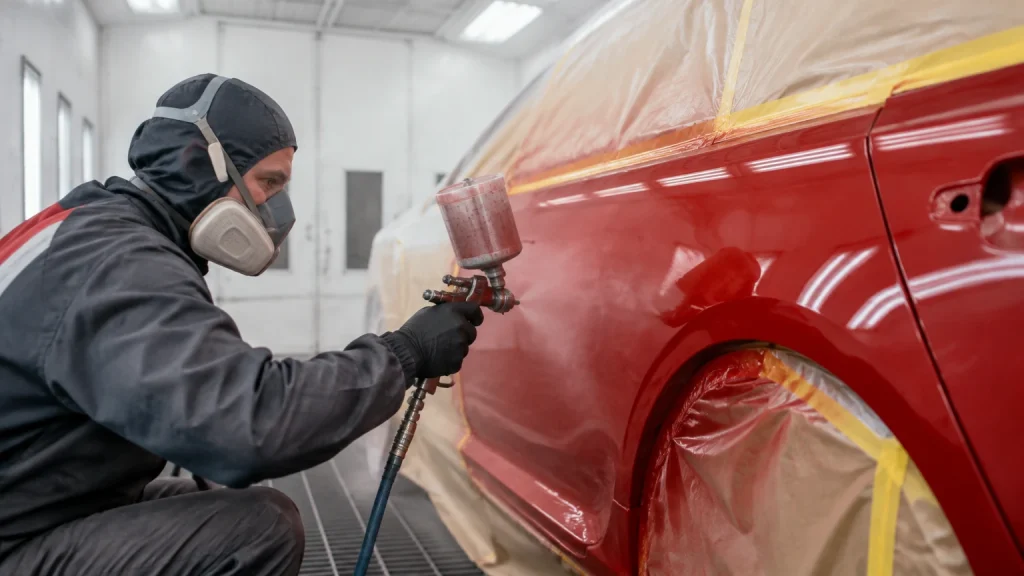
Single-stage car paint combines color pigment and gloss in one coating, while two-stage car paint uses a pigmented basecoat beneath a separate clearcoat. Single-stage systems usually cost less and suit solid colors, classic restorations, and utility vehicles. Two-stage systems provide stronger UV protection, deeper gloss, and better results for metallic, pearl, and modern factory colors. […]
How Long Does Suspension Repair Take? Time by Part
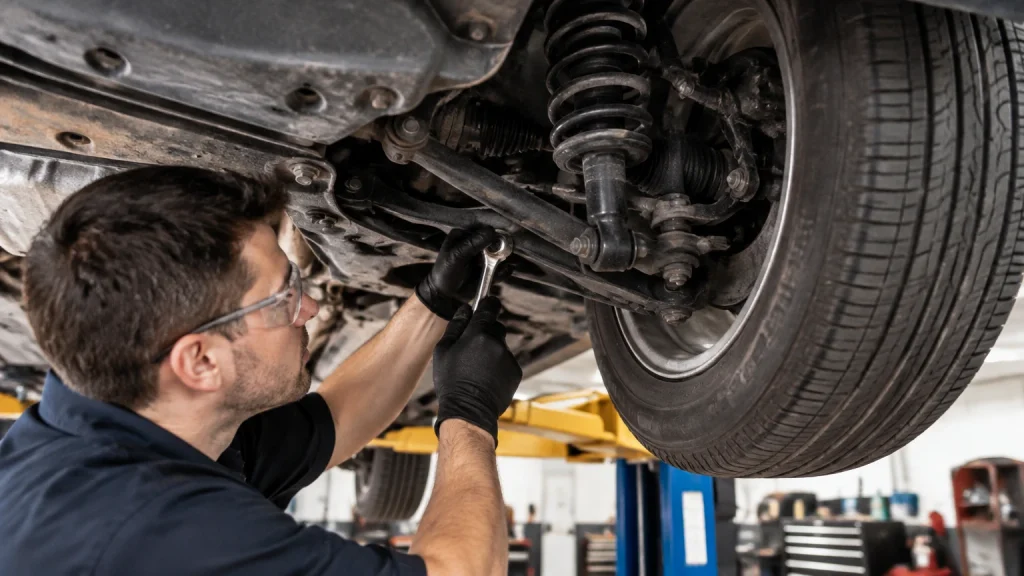
Professional suspension repair usually takes 2-4 labor hours for a common repair such as replacing an axle pair of shocks or struts. A control arm or ball joint often takes 1-3 hours, while air suspension diagnosis, calibration, severe corrosion, or a multi-component overhaul can require 6-8 hours or several days of total booking time. Key […]