Hail damage repair costs $500 to more than $15,000, with many full-vehicle claims landing around $4,300-$6,750. A small group of shallow dents may cost $500-$1,500, while dense damage across the roof, hood, doors, and glass can exceed $10,000. Dent size, metal type, paint condition, panel count, access, and insurance determine the final bill.
Hail Repair Costs at a Glance
- Minor hail damage: typically $500-$1,500 for a few accessible dents.
- Light multi-panel damage: commonly $1,500-$3,500 using paintless dent repair.
- Moderate damage: commonly $3,500-$8,000 across six or more panels.
- Severe damage: often $8,000-$15,000+, especially with cracked paint, replacement panels, or broken glass.
- Paintless dent repair: often takes 1-3 days when factory paint remains intact.
- Your insurance cost: usually the comprehensive deductible, not the entire repair estimate.
What Does Hail Damage Repair Include?
Hail damage repair restores dents, creases, chipped paint, broken glass, and related exterior components after an ice storm. Technicians inspect every affected panel, identify paint and metal damage, remove trim when necessary, repair or replace damaged parts, and verify the finish under specialized lighting.
A complete repair may involve the hood, roof, trunk, doors, fenders, quarter panels, mirrors, moldings, windshield, sunroof, lamps, and sensors. Hail can also damage the roof rails, roof-mounted antenna, plastic grilles, and panoramic glass.
The estimate should identify each affected panel rather than using only a single “hail package” price. A transparent estimate normally includes labor hours, repair method, parts, paint materials, calibration, glass work, taxes, and any rental-car allowance.
Why Do Hailstorms Create Such Expensive Claims?
Hail repair becomes expensive because one storm can damage dozens or hundreds of separate impact points across many panels. Labor increases with dent density, restricted access, aluminum construction, high-strength steel, roof reinforcement, glued trim, and the amount of interior disassembly required.
A quarter-sized dent is not automatically more expensive than several dime-sized dents. A sharp crease beside a panel edge may require more time than a larger shallow depression in the center of a hood.
How Much Does Hail Damage Repair Cost by Severity?
Typical U.S. repair pricing falls into the following ranges. These figures are planning ranges, not guaranteed quotes, because regional labor rates and vehicle construction produce significant variation.
| Damage level | Typical damage profile | Typical repair cost | Typical time |
|---|---|---|---|
| Minor | 1-10 shallow dents on 1-2 panels | $500-$1,500 | 4-12 hours |
| Light | 50-100 small dents on 3-5 panels | $1,500-$3,500 | 1-3 days |
| Moderate | 100-300 dents on 6-10 panels | $3,500-$8,000 | 3-7 days |
| Severe | 300+ impacts, creases, broken paint | $8,000-$15,000+ | 1-3 weeks |
| Replacement-level | Structural panel, glass, or multiple skins | $12,000-$20,000+ | 2-5 weeks |
The number of dents is only one pricing variable. A vehicle with 80 shallow impacts may cost less than one with 25 deep creases, because sharp damage stretches metal and can exceed the safe working range of PDR.
What Is the Average Hail Damage Repair Bill?
A typical comprehensive hail claim often falls around $4,300-$6,750, but that average does not represent a standard repair. The figure combines compact cars with large SUVs, minor claims with severe storms, PDR-only work with glass replacement, and low-cost regions with expensive metropolitan markets.
A practical estimate should begin with panel count and damage severity. Ask the repairer to separate the roof, hood, trunk, doors, fenders, quarter panels, glass, sensors, and trim rather than relying on an average claim value.
Which Factors Change the Repair Price?
Vehicle hail repair pricing depends most heavily on the number of damaged panels, dent depth, paint condition, panel material, access difficulty, labor market, and replacement parts. Two vehicles exposed to the same storm can receive materially different estimates because their construction and equipment differ.
Panel Count and Dent Density
Shops may price hail work by panel complexity, labor hours, or a matrix that accounts for dent count and size. A roof with 150 impacts requires more inspection and manipulation than a hood with 20 impacts, even when both panels have similar dimensions.
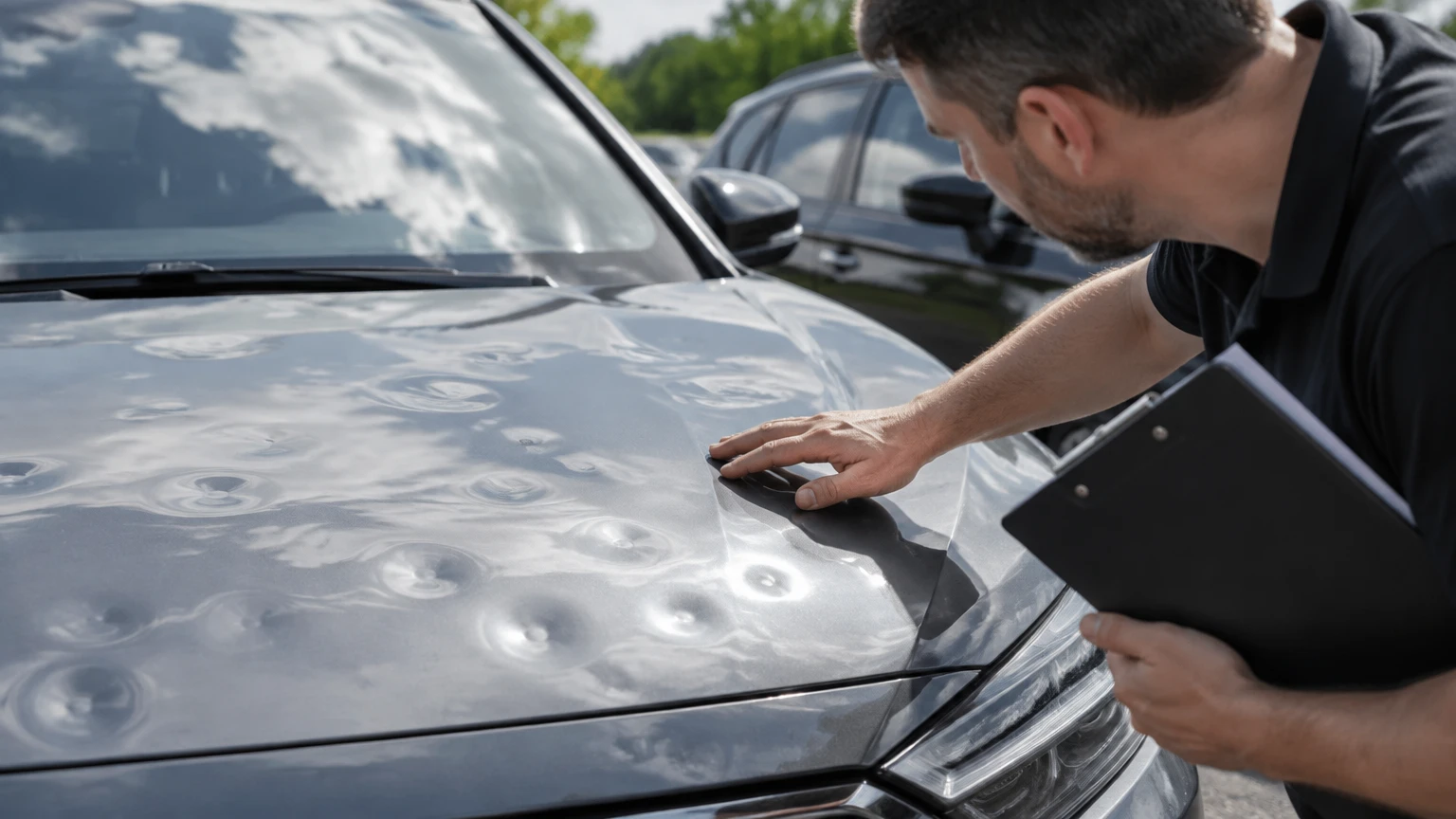
Dense damage also increases the risk of missed dents. High-intensity LED inspection lights reveal shallow depressions that ordinary daylight hides, especially on silver, white, and metallic paint.
Steel, Aluminum, and Composite Panels
Aluminum panels generally require more controlled repair than ordinary steel because aluminum has different work-hardening behavior and less forgiving deformation characteristics. A typical aluminum labor premium is about 20%-25%, although some panels may require replacement instead of repair.
Composite bumpers and plastic trim do not respond to standard metal PDR techniques. Carbon-fiber or fiberglass components may require replacement, specialized refinishing, or manufacturer-specific procedures.
Paint and Metal Condition
PDR is most effective when the factory paint is intact and the dent has a smooth contour. Cracked clear coat, exposed metal, sharp creases, stretched metal, and damage near an edge reduce the chance of a paint-preserving repair.
A cracked finish creates a corrosion risk if bare metal is exposed. The vehicle owner should photograph damaged paint immediately and ask whether temporary protection is needed before the repair appointment.
Vehicle Size and Equipment
Large SUVs, trucks, vans, panoramic-roof vehicles, and luxury cars often cost more because they have more surface area, additional trim, complex headliners, aluminum components, and expensive sensors. A full-size pickup may require more labor than a compact sedan after the same storm.
Roof-mounted cameras, radar units, parking sensors, rain sensors, and windshield cameras can add calibration requirements after glass or panel work. The calibration invoice may be separate from body labor.
Location and Labor Rates
Repair prices vary by metropolitan labor rates, storm demand, parts availability, and local regulations. After a major storm, temporary labor shortages and shop backlogs can increase rental costs and delay completion even when the repair estimate itself remains stable.
A quote from a rural market cannot reliably predict a quote in Denver, Dallas, Chicago, or another high-demand storm region. Compare estimates using labor hours and included operations, not only the bottom-line number.
How Does Paintless Dent Repair Work?
Paintless dent repair restores a dent by carefully manipulating the backside of the panel, or by using controlled glue-pulling from the exterior, while preserving the original paint. Technicians use reflection boards or LED light lines to track the metal’s movement and avoid creating high spots.
The professional process usually follows these steps:
- Wash and decontaminate the vehicle. Dirt, wax, and bonded contaminants are removed so the technician can see the panel accurately.
- Map the damage under specialized lighting. Parallel LED lines reveal shallow dents, crowns, ridges, and unfinished areas.
- Remove obstructing components. Headliners, hood liners, door panels, lamps, moldings, and interior trim may need removal.
- Select the access point and tool. Rods, whale tails, knockdowns, blending hammers, and glue tabs are chosen according to panel shape.
- Move the metal in small increments. The technician lowers high spots and gradually returns the depression to its original contour.
- Inspect from multiple angles. The panel is checked under different light directions before reassembly.
- Reassemble and calibrate. Removed trim is replaced, and affected cameras or sensors are tested and calibrated when required.
When Is PDR the Better Choice?
PDR is usually the better choice when the paint is intact, the metal is not sharply creased, and the technician can access the back of the panel. The method retains factory paint, avoids filler and color-matching problems, and commonly finishes faster than conventional body repair.
PDR is not suitable for every dent. Deep impact points, torn metal, broken paint, severe edge damage, and panels with limited access may require conventional repair or replacement.
PDR Versus Traditional Body Repair Versus DIY
Paintless dent repair offers the best balance for intact paint and repairable metal. Conventional bodywork is necessary for fractured paint, severe creases, and replacement-level damage, while DIY kits are limited to simple, isolated dents and carry a high risk of worsening the panel.
| Method | Typical cost | Typical time | Best use |
|---|---|---|---|
| Professional PDR | $30-$150 per dent, $1,500-$8,000+ per vehicle | 1-3 days | Intact paint and shallow-to-moderate dents |
| Conventional body repair | $125-$325 per dent, $4,000-$15,000+ | 5-15+ days | Cracked paint, creases, filler, repainting |
| Panel replacement | $1,000-$5,000+ per panel | 3-10 days per operation | Torn metal or unrepairable skin |
| DIY glue-pull kit | $20-$100 | 1-4 hours | One or two shallow, accessible dents |
| Suction or heat method | $10-$50 | Unpredictable | Limited cosmetic experiments, not dense hail |
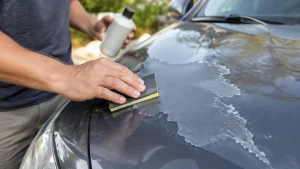
DIY methods can create high spots, stretch the metal, damage clear coat, or leave glue-pull rings visible. Dry ice, boiling water, heat guns, and direct sunlight do not reliably reverse hail damage and may turn a repairable dent into a repainting job.
What Happens During Conventional Body Repair?
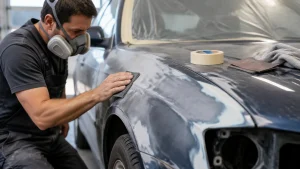
Traditional body repair may involve grinding, filler, sanding, primer, paint application, blending, clear coat, curing, and final polishing. The method can restore panels that PDR cannot, but it introduces color-matching, overspray, filler, texture, and future corrosion considerations.
Ask whether the shop will repair the original panel or replace it. A replacement hood or roof skin may improve the finish on severe damage, but parts availability, paint blending, and labor can make the final invoice substantially higher.
Does Insurance Cover Hail Damage?
Comprehensive auto insurance generally covers hail damage because hail is an environmental event rather than a collision. Collision-only or liability-only policies normally do not pay for the vehicle’s hail repairs, so coverage depends on the policy active when the storm occurred.
The owner usually pays the comprehensive deductible. Common deductibles include $250, $500, $1,000, and $2,000, although some policies use a separate percentage deductible for certain weather losses.
| Repair estimate | $250 deductible | $500 deductible | $1,000 deductible | $2,000 deductible |
|---|---|---|---|---|
| $900 | $650 insurer share | $400 insurer share | $0 practical benefit | $0 practical benefit |
| $3,000 | $2,750 | $2,500 | $2,000 | $1,000 |
| $6,000 | $5,750 | $5,500 | $5,000 | $4,000 |
| $12,000 | $11,750 | $11,500 | $11,000 | $10,000 |
A claim can still be useful with a high deductible if the estimate substantially exceeds it. Before authorizing repairs, confirm the deductible, claim deadline, rental coverage, glass provisions, and whether the insurer requires an adjuster inspection.
Should You Pay Cash or File a Claim?
Paying cash may make sense when the repair estimate is below or only slightly above the deductible, especially for an older vehicle with limited market value. Filing a claim is usually more rational when damage affects multiple panels, glass, sensors, or the vehicle’s safety equipment.
Insurance premiums do not automatically remain unchanged after a hail claim. Hail is generally treated as a comprehensive loss, but insurers and state rules differ, and a claim may affect underwriting or renewal decisions. Ask the insurer directly rather than relying on a blanket promise.
How Long Does Hail Repair Take?
A small PDR job may finish in four to twelve hours, moderate hail repair commonly takes one to seven business days, and conventional bodywork can require two to five weeks. The repair operation may be short, while the appointment delay after a major storm can last several weeks.
| Job type | Repair operation | Common scheduling delay | Main cause of delay |
|---|---|---|---|
| 1-10 dents | 4-12 hours | 1-7 days | Technician availability |
| Three-panel PDR | 1-3 days | 1-3 weeks | Storm backlog |
| Full-vehicle PDR | 3-7 days | 2-6 weeks | Dent density and disassembly |
| Glass plus ADAS | 1-2 days | 1-3 weeks | Glass and calibration equipment |
| Conventional repair | 2-5 weeks | 2-8 weeks | Parts, paint, curing, supplements |
Rental coverage may apply during the approved repair period, but policies vary on waiting time, daily limits, and maximum days. Confirm those limits before leaving the vehicle at a shop.
When Is a Hail-Damaged Car Totaled?
An insurer may declare a vehicle a total loss when the projected repair cost approaches the vehicle’s actual cash value, subject to state-specific total-loss rules. A common planning threshold is 70%-75% of actual cash value, but the legal threshold may differ by jurisdiction and policy.
For example, a car valued at $12,000 with an $8,500 estimate is at meaningful total-loss risk. The insurer may also include salvage value, taxes, storage, rental costs, supplements, and hidden damage in its calculation.
A total-loss settlement is based on comparable vehicles, mileage, options, condition, and local market data. Owners should check the valuation report for correct trim, equipment, prior condition, and comparable listings.
Can You Keep a Totaled Hail-Damaged Vehicle?
An owner may sometimes retain a totaled vehicle, but the result can include a salvage or rebuilt title, reduced resale value, financing restrictions, and inspection requirements. The insurer deducts the vehicle’s salvage value from the settlement, and the owner remains responsible for repairs and title procedures.
Keeping the car can make sense when mechanical systems are sound and the owner accepts cosmetic damage. It is a poor choice when roof structure, windshield bonding, airbags, electrical systems, or water sealing may be compromised.
How Do You Choose a Hail Repair Shop?
Choose a repairer with a permanent address, written warranty, documented insurance coordination, qualified technicians, and a clear explanation of PDR versus replacement. Verify the business through state registration, local reviews, manufacturer certifications where relevant, and references for comparable hail work.
Use this inspection checklist:
- Request a written panel-by-panel estimate.
- Confirm whether the shop performs PDR in-house or subcontracts it.
- Ask who pays for supplements if hidden damage appears.
- Verify warranty length and whether it covers paint, trim, and workmanship.
- Confirm glass replacement and ADAS calibration procedures.
- Photograph the vehicle before disassembly.
- Avoid signing blank authorization forms.
- Ask for a completion date and rental terms.
- Check that the shop will return removed trim and replaced parts if requested.
Temporary storm tents are not automatically fraudulent, but their short operating history increases verification risk. A physical location, traceable business registration, written warranty, and clear insurer relationship matter more than a low-pressure promise of “free” repairs.
What Other Costs Should You Expect?
Hail repair estimates may exclude glass, calibration, rental transportation, trim, paint protection, storage, deductible differences, and supplements. The owner should ask for each cost before authorizing work.
| Additional item | Typical cost | When it applies |
|---|---|---|
| Windshield replacement | $250-$1,000+ | Glass cracked or chipped |
| ADAS calibration | $250-$600 | Camera or radar disturbed |
| Sunroof glass | $500-$2,000+ | Panoramic or standard roof glass broken |
| Rental vehicle | $35-$100 per day | Policy or cash rental |
| Aluminum labor premium | 20%-25% | Aluminum hood, roof, or doors |
| Roof or hood replacement | $1,500-$5,000+ | Metal cannot be repaired |
| Paint protection or coating | $300-$2,000 | Optional post-repair treatment |
ADAS calibration should not be skipped because the vehicle appears to drive normally. A windshield camera can require static or dynamic calibration after glass replacement, and an incorrect calibration can affect lane-keeping, emergency braking, or adaptive cruise functions.
Does Hail Damage Reduce Resale Value?
Hail damage can reduce resale value when dents remain visible, the vehicle has a branded or salvage title, repairs show poor paint matching, or the history report records a substantial insurance claim. PDR with intact factory paint generally creates less resale concern than extensive repainting or a total-loss title.
Insurance claims and vehicle-history reporting practices vary. Ask the insurer and repairer whether the claim will be reported to a history provider, then retain before-and-after photographs, paid invoices, calibration records, and warranty documents.
A cosmetic claim on a newer vehicle may also create a diminished-value question, although eligibility depends on state law, fault rules, policy language, and the nature of the claim. Hail claims are commonly handled differently from collision claims, so a local attorney or adjuster may be needed for a definitive answer.
The Bottom Line on Hail Repair Cost
Hail damage repair costs $500 to more than $15,000, but a realistic full-vehicle planning range is $1,500-$8,000 for PDR-capable damage and $8,000-$15,000+ when paint, glass, sensors, or replacement panels are involved. Get a panelized estimate, compare it with your comprehensive deductible and actual cash value, and confirm calibration and rental costs before choosing insurance or cash payment.
Frequently Asked Questions
Can hail damage be repaired without repainting?
Yes, many hail dents can be repaired without repainting through PDR when the factory finish remains intact and the metal is not torn or sharply creased. PDR preserves original paint and usually costs less than conventional bodywork. Cracked paint, exposed metal, severe edge damage, and stretched panels may require filler, paint, or replacement.
How soon should I report hail damage to insurance?
Report hail damage as soon as practical, preferably after photographing the vehicle and preventing additional exposure. Policies and state rules vary, and some policies impose reporting deadlines. Delaying can complicate proof of cause, allow rust or water intrusion, and make it harder to distinguish storm damage from later dents.
Will hail damage appear on a Carfax report?
Hail damage may appear on a Carfax or another vehicle-history report when an insurer, body shop, auction, inspection service, or government agency reports it. Reporting is not universal. Keep repair invoices and photographs because a clean history report does not prove that a vehicle never had hail damage.
Is a hail-damaged car safe to drive?
A car with small cosmetic dents is often safe to drive, but broken glass, exposed metal, damaged lights, loose trim, impaired cameras, water leaks, and roof deformation require inspection. Do not assume the vehicle is safe after severe hail. Check windshield integrity, visibility, tire condition, lights, mirrors, and driver-assistance warnings.
Can a hail repair estimate increase after work begins?
Yes, an estimate can increase through a supplement when technicians discover hidden damage, additional dents, damaged trim, broken clips, water intrusion, or calibration requirements. Ask the shop to obtain insurer approval for supplements before performing extra paid work, and request an updated written estimate with the added operations itemized.