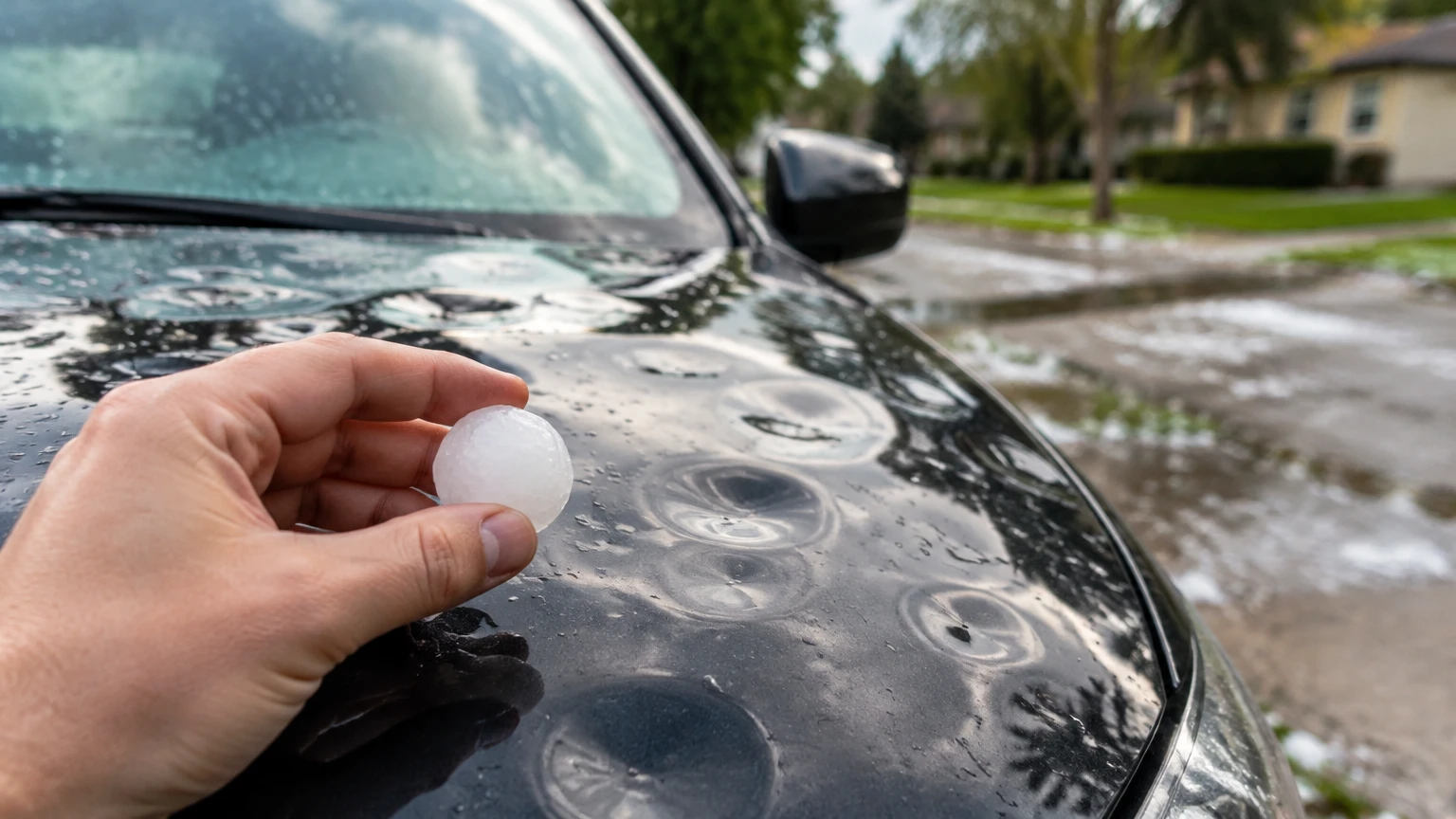
Hail can begin damaging a car at about 1 inch in diameter, roughly the size of a US quarter, although vehicle age, panel material, impact angle, wind, and hail density change the result. Hail measuring 1.5 inches or more commonly causes widespread dents, while hail near 2 inches can crack glass, break trim, and create serious repair costs.
Key Facts at a Glance
- Hail around 1 inch can create shallow dents on a car’s hood, roof, trunk, and other upward-facing panels.
- Hail measuring 1.5 inches can produce widespread body-panel damage, chipped paint, broken moldings, and damaged lights.
- Hail at 2 inches or larger can crack windshields, break side glass, deform panels, and damage cameras or sensors.
- Hail size alone does not predict damage because density, shape, wind, vehicle speed, and impact angle also control impact energy.
- Paintless dent repair typically costs about $1,000-$5,000 for widespread damage, while conventional body repair can exceed $10,000.
- Comprehensive auto insurance usually covers hail damage after the policy deductible, but collision coverage generally does not.
What Size Hail Can Damage a Car?
A 1-inch hailstone is the practical starting point for visible car damage, but the threshold is not absolute. A soft, melting stone striking a curved steel panel may leave no mark, while a dense, wind-driven stone of similar diameter can dent a thin aluminum hood or roof.
The National Weather Service classifies 1-inch hail as severe-thunderstorm-size hail in the United States. That classification describes storm intensity, not a guaranteed vehicle-damage threshold. Automotive repair technicians commonly use 1 inch as the point where cosmetic dents become plausible and 1.5-2 inches as the range where widespread damage becomes likely.
Hail Damage by Stone Diameter
| Hail diameter | Common comparison | Typical stationary-car result | Main risk |
|---|---|---|---|
| 0.50-0.75 inch | Pea to marble | Usually no visible damage | Isolated trim or paint marks |
| 0.75-1.00 inch | Penny to quarter | Occasional shallow dents | Hood, roof, trunk dents |
| 1.25-1.50 inches | Ping-pong ball | Repeated dents across upper panels | Trim, molding, paint damage |
| 1.75-2.00 inches | Golf ball | Deep dents and cracked finishes | Windshield, lamps, side glass |
| 2.50-2.75 inches | Tennis ball | Severe panel deformation | Broken glass and structural trim |
| 3.00 inches or more | Baseball | Catastrophic exterior damage | Roof, glass, lighting, safety systems |
These are typical field ranges, not laboratory guarantees. Hailstones can be irregular, hollow, layered, or partially melted, so two stones with the same diameter can carry different mass and impact energy.
Is 1-Inch Hail Enough to Dent a Car?
Yes, 1-inch hail can dent a car, especially when stones are dense, the vehicle has broad horizontal panels, or strong wind increases the impact speed. The most likely damage consists of small, shallow dents on the hood, roof, and trunk rather than broken glass or crushed structural components.
Older vehicles may have thinner replacement panels, weakened clear coat, or corrosion that makes damage easier to see. Newer vehicles are not immune. Aluminum hoods, sharply creased body lines, panoramic roofs, and plastic trim can respond differently from conventional steel panels.
A single 1-inch impact may be harmless. Dozens of impacts across a storm cell can create a repairable but expensive pattern.
Why Does Hail Damage Depend on More Than Size?
Hail damage depends on the stone’s mass, impact velocity, hardness, shape, and angle, plus the panel’s thickness and support underneath. Kinetic energy follows the equation (E = 1/2mv^2), so velocity has a squared effect while mass has a direct effect.
Terminal velocity increases as hail grows, but aerodynamic drag prevents speed from rising without limit. The National Weather Service lists approximate severe-hail fall speeds in the broad range of several dozen miles per hour, while actual impact speed varies with stone shape, wind, and local storm conditions.
Why Do Wind and Driving Speed Matter?
Wind adds horizontal velocity to hail’s downward motion. A vehicle traveling during a storm adds another velocity component, which can shift impacts from the roof and hood toward the windshield, front pillars, doors, mirrors, and side panels.
A stationary car under a vertical storm usually receives the highest concentration of impacts on upward-facing surfaces. A moving car can expose the front glass and leading edges to a larger effective impact speed. Driving during hail is therefore both a damage risk and a visibility hazard.
Do not continue driving through heavy hail to reach a preferred parking location. Pull beneath a substantial roof when possible, stop away from trees and power lines, keep the seat belt fastened, and avoid stopping in floodwater or under a weak temporary structure.
Why Does Hail Density Matter?
Dense, ice-rich hail carries more mass at the same diameter than porous or partially melted hail. A compact 1.25-inch stone can therefore cause more damage than a low-density stone measuring 1.5 inches.
Shape also matters. Rounded stones distribute contact over a larger area, whereas jagged or irregular stones can concentrate force on a small point. The hailstone’s temperature and whether it is melting on impact further alter the result.
Which Parts of a Car Take the Most Damage?
The roof, hood, trunk lid, and upper fenders usually take the most hail damage because they face the sky and present broad unsupported surfaces. Windshield glass, sunroofs, mirrors, lamps, and plastic moldings become more vulnerable as hail size and horizontal wind increase.
| Vehicle area | Typical threshold for concern | Damage commonly found | Inspection priority |
|---|---|---|---|
| Roof and hood | 0.90-1.00 inch | Shallow to deep round dents | Highest |
| Trunk and upper fenders | 1.00-1.25 inches | Repeated dents and edge damage | High |
| Windshield | 1.50-2.00 inches | Chips, star cracks, laminate fractures | Immediate |
| Side glass and lamps | 1.75-2.50 inches | Cracks, shattering, broken lenses | Immediate |
| Mirrors and moldings | 1.25-1.75 inches | Cracked plastic and loose trim | Medium |
| Doors and quarter panels | 1.50 inches with strong wind | Dents along upper sections | High |
| Cameras and sensors | Any severe front-end impact | Misalignment or warning lights | Immediate |
A roof dent may be cosmetic, but a damaged roof rail, windshield edge, door seal, or panoramic-glass frame can create water intrusion and safety problems. Hail inspection should therefore include function, not only appearance.
How Do Vehicle Materials Change the Outcome?
Steel generally tolerates repeated minor impacts better than thin aluminum because aluminum has different forming and work-hardening behavior. Aluminum panels can be repaired, but they often require technicians with aluminum-specific tools, access methods, and experience controlling stretched metal.
| Vehicle material or component | Typical hail response | Repair implication | Important limitation |
|---|---|---|---|
| Mild steel panel | Dents with moderate elasticity | Often suitable for PDR | Sharp creases may stretch metal |
| High-strength steel | May resist small dents | Requires controlled tool pressure | Excess force can damage coatings |
| Aluminum hood or roof | Dents and stretches more readily | Specialist PDR often needed | Repeated working can weaken the panel |
| Plastic bumper or trim | Cracks, scuffs, or flex marks | Replacement may be faster | PDR does not restore cracked plastic |
| Laminated windshield | Chips or star cracks | Repair possible for limited chips | Replacement required in many sight-line cases |
| Tempered side glass | Breaks into small fragments | Replacement required | Cannot be conventionally repaired |
The material is only one variable. A panel with strong bracing behind it may resist a strike better than a thicker panel with a large unsupported span.
When Does Hail Break Car Glass?
Hail around 1.5-2 inches can crack windshields, and hail above 2 inches can break side glass or sunroofs, particularly when wind drives stones into the vehicle. No exact diameter guarantees glass failure because glass condition, impact angle, temperature, and stone density vary.
Inspect glass from inside and outside. Look for star-shaped chips, long cracks, milky impact points, loose fragments, and damage near the windshield edge. A chip in the driver’s primary viewing area can require replacement even when a smaller chip elsewhere might qualify for repair.
Do not apply pressure to cracked glass or pour hot water over a cold windshield. Covering a broken side window with plastic can keep out rain temporarily, but it does not make the vehicle secure or safe for normal driving.
How Should You Inspect a Hail-Damaged Car?
Inspect the vehicle in shade with a clean surface and a portable LED light held at a shallow angle. Straight reflections across the paint reveal distortions that direct sunlight often conceals, especially on white, silver, and metallic finishes.
Use this sequence:
- Photograph the vehicle before washing or moving loose debris.
- Check the roof, hood, trunk, pillars, fenders, doors, and bed rails.
- Run a hand lightly over panels only after removing sharp debris.
- Inspect windshield, sunroof, side glass, lamps, mirrors, and moldings.
- Open the hood and trunk to check water, broken insulation, and displaced seals.
- Start the vehicle and check warning lights, camera messages, and parking-sensor faults.
- Test doors, windows, wipers, lights, and the trunk or liftgate.
- Record the storm date, location, approximate hail size, and every damaged component.
A straight-line reflection is more reliable than counting dents from a distance. Hail damage can number in the hundreds, and some dents become visible only when the light crosses the panel at a low angle.
How Much Does Hail Damage Repair Cost?
Typical hail repair costs range from about $500 for a few small dents to more than $10,000 for widespread damage involving glass, paint, lights, sensors, or replacement panels. The final estimate depends more on dent count, panel access, paint damage, and parts availability than on hail diameter alone.
| Repair situation | Typical cost range | Typical time | Common method |
|---|---|---|---|
| Five to 15 shallow dents | $300-$1,200 | 1-2 days | Paintless dent repair |
| 30-100 dents on upper panels | $1,500-$5,000 | 2-5 days | PDR |
| Cracked paint or stretched metal | $3,000-$8,000 | 1-3 weeks | Conventional body repair |
| Windshield plus moderate dents | $2,000-$6,000 | 2-7 days | Glass replacement and PDR |
| Multiple glass and lamp failures | $5,000-$12,000 | 1-3 weeks | Parts replacement and body repair |
| Severe roof or panel deformation | $8,000-$20,000 or more | 2-6 weeks | Structural or panel replacement |
These are typical US consumer ranges, not insurer-approved estimates. Regional labor rates, luxury-car parts, calibration requirements, and supply delays can materially change the total.
Which Repair Method Is Appropriate?
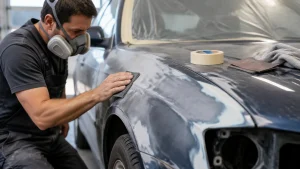
Paintless dent repair is usually the preferred method when the paint remains intact, the metal is not sharply creased, and a technician can reach the back of the panel. Conventional body repair is necessary when paint is chipped, metal is torn or excessively stretched, glass is broken, or a panel requires replacement.
| Decision factor | Paintless dent repair | Conventional body repair |
|---|---|---|
| Suitable damage | Shallow dents with intact paint | Cracked paint, tears, severe deformation |
| Typical cost | $500-$5,000 | $3,000-$20,000 or more |
| Typical time | 1-5 days | 1-6 weeks |
| Factory paint | Preserved | Sanded and repainted |
| Resale effect | Usually lower risk | Refinish history may affect value |
| Aluminum work | Requires specialist | May require panel replacement |
| Glass or trim | Does not repair broken parts | Can replace damaged components |
PDR is not automatically superior. A technician may refuse a repair when access is poor, the metal is stretched, or a dent crosses a sharp body line. A rushed PDR job can leave crowns, tool marks, or paint damage, so inspect finished panels under controlled lighting before accepting delivery.
Should You File a Hail Insurance Claim?
File a comprehensive insurance claim when the estimated repair cost materially exceeds the deductible, when glass or safety systems are damaged, or when delaying could allow water intrusion. If estimated damage is only slightly above the deductible, an out-of-pocket repair may protect claim history and simplify the decision, depending on local insurance rules.
For example, a $1,000 comprehensive deductible and a $1,300 PDR estimate leave only $300 of immediate insurance value. A $4,500 estimate creates a much stronger claim rationale, especially when the vehicle requires windshield replacement or sensor calibration.
Before authorizing work:
- Confirm hail is covered under comprehensive coverage.
- Ask whether the deductible applies once per storm event.
- Obtain the insurer’s written estimate.
- Ask how supplements are handled when hidden damage appears.
- Confirm whether original, aftermarket, or recycled parts may be used.
- Ask whether windshield replacement requires camera calibration.
- Verify the shop’s workmanship warranty and business license.
Do not sign over insurance benefits to an unfamiliar storm-chasing contractor without reading the assignment and cancellation terms. An insurer’s approved-shop list is not a guarantee of quality, but it provides a useful starting point for verifying credentials and warranty coverage.
What Happens if Hail Damage Exceeds the Car’s Value?
An insurer may declare a vehicle a total loss when repair costs plus salvage value approach or exceed the vehicle’s actual cash value, subject to state law and policy rules. Hail damage can total an older car even when the vehicle remains mechanically reliable because body panels, glass, paint, and labor are expensive.
Ask for the valuation report and check mileage, trim, options, prior damage, and comparable vehicles. A disagreement about value is different from a disagreement about repair scope. Documentation of condition before the storm can support a valuation challenge.
A totaled vehicle may receive a salvage or rebuilt title depending on jurisdiction and the repair path. That designation can reduce resale value, restrict financing, and complicate insurance, so obtain the title outcome before choosing a buyback or repair option.
What Are the Most Common Hail-Repair Mistakes?
Using heat, dry ice, or suction cups
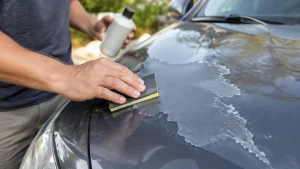
Sunlight, hairdryers, dry ice, and suction cups cannot reliably restore stretched automotive metal. Rapid temperature changes can damage clear coat, distort thin panels, or create a surface that looks improved while retaining tension and visible distortion.
Washing before documenting damage
A wash can remove useful storm evidence, dislodge loose glass, or erase the condition of a damaged trim piece. Photograph the vehicle, debris, and surrounding location first.
Choosing a shop by speed alone
A short promised turnaround may indicate a temporary labor shortage, subcontracting, or an incomplete inspection. Ask who performs the work, whether the shop handles aluminum, and whether the final inspection includes sensors and glass.
Ignoring small glass chips
A small windshield chip can spread after temperature changes or road vibration. Have a qualified glass technician assess it before the crack reaches the windshield edge or the driver’s sight line.
Accepting a repair without a lighting inspection
Hail dents can disappear under bright overhead lights and reappear outdoors. Inspect the hood, roof, and trunk under angled light before signing the completion paperwork.
How Can You Reduce Hail Damage?
The most effective protection is substantial overhead cover, such as a garage or enclosed parking structure. If no structure is available, move the vehicle away from trees, poles, and flood-prone low areas, then use a purpose-built padded hail cover rather than a thin blanket or tarp.
A hail cover can reduce cosmetic impact, but it cannot guarantee protection against large stones or prevent glass breakage. Secure the cover according to its instructions because wind can turn loose material into a hazard. Do not place hard objects, frozen packs, or improvised boards on the roof.
Weather alerts from the National Weather Service can provide advance warning, but warning time may be short. Keep a windshield cover, emergency flashlight, and phone charger in the vehicle, while treating every severe-thunderstorm warning as a reason to seek safe shelter rather than continue driving.
Which Decision Fits Your Situation?
Daily commuter: Obtain one estimate and compare it with the deductible. Cosmetic damage below or near the deductible may justify postponement, provided no glass, water, or safety-system damage exists.
New vehicle owner: Prioritize documented repairs, original factory finish where possible, and a shop warranty. Hail history can affect trade-in value even when repairs look acceptable.
Leased vehicle owner: Check the lease inspection standard before repairing. A repair that satisfies an insurer may still leave unacceptable paint, panel, or documentation issues at lease return.
Luxury or aluminum-bodied vehicle owner: Select a shop with demonstrated aluminum repair experience and verify post-repair camera, radar, and parking-sensor calibration.
Older vehicle owner: Compare the complete estimate with actual cash value before authorizing major body work. A partial repair may be financially irrational if the insurer is approaching a total-loss decision.
Frequently Asked Questions
Can a car be damaged by hail smaller than 1 inch?
Yes. Hail below 1 inch can mark soft trim, damage an already weakened clear coat, or dent a thin aluminum panel when wind increases impact speed. Most stationary steel-bodied vehicles experience little visible damage below 0.75 inch, but that is a typical pattern rather than a guarantee.
Does hail damage reduce a car’s resale value?
Repairable hail damage can reduce resale value when dents remain, paint differs from the factory finish, or the vehicle history reports an insurance claim. A total loss, salvage title, or unrepaired roof and glass damage usually creates a larger reduction than a documented PDR repair with intact factory paint.
Can hail damage a car while it is in a garage?
Hail normally cannot strike a car inside a fully enclosed garage, but wind-driven rain, broken windows, roof failure, or falling debris can still cause damage. A car under a carport has meaningful protection from vertical hail but remains exposed to sideways stones and windborne objects.
Does comprehensive insurance cover hail damage to a leased car?
Comprehensive insurance commonly covers hail damage to a leased car, subject to the policy deductible and lease requirements. The leasing company remains an interested party, so report the damage according to both the insurance policy and lease agreement, and retain repair invoices and warranty documents.
Should you repair small hail dents immediately?
Small dents do not always require immediate repair, but prompt inspection is wise because paint chips, loose seals, and glass cracks can worsen. An early estimate also helps determine whether repair costs exceed the deductible before local shops become fully booked after a major storm.
The Bottom Line
Hail around 1 inch can damage a car, while hail measuring 1.5 inches or more commonly produces widespread dents and hail near 2 inches creates serious glass, trim, and safety risks. The best response depends on the complete damage pattern, not diameter alone: document the vehicle, inspect glass and electronic systems, compare the estimate with the deductible and vehicle value, and use qualified PDR or body-repair technicians. If you are deciding what size hail can damage a car, treat 1 inch as the practical warning threshold and 2 inches as a major damage event.