Car insurance covers hail damage only when the policy includes comprehensive coverage, subject to the policy’s deductible, exclusions, and vehicle value. Liability-only insurance and collision coverage generally do not pay for weather damage. Comprehensive insurance can cover dented panels, broken glass, damaged mirrors, and related storm damage when the policy was active during the hail event.
Key facts
Comprehensive coverage, not liability or collision coverage, normally pays for hail damage.
The comprehensive deductible is subtracted from the covered repair amount.
An insurer generally pays no more than the vehicle’s actual cash value, minus the deductible.
Hail damage can be repaired with paintless dent repair or conventional bodywork, depending on paint and metal damage.
A financed or leased vehicle usually must carry comprehensive coverage under the lender’s contract.
A claim should be documented and reported promptly because delays make storm-related causation harder to prove.
Does Car Insurance Cover Hail Damage?
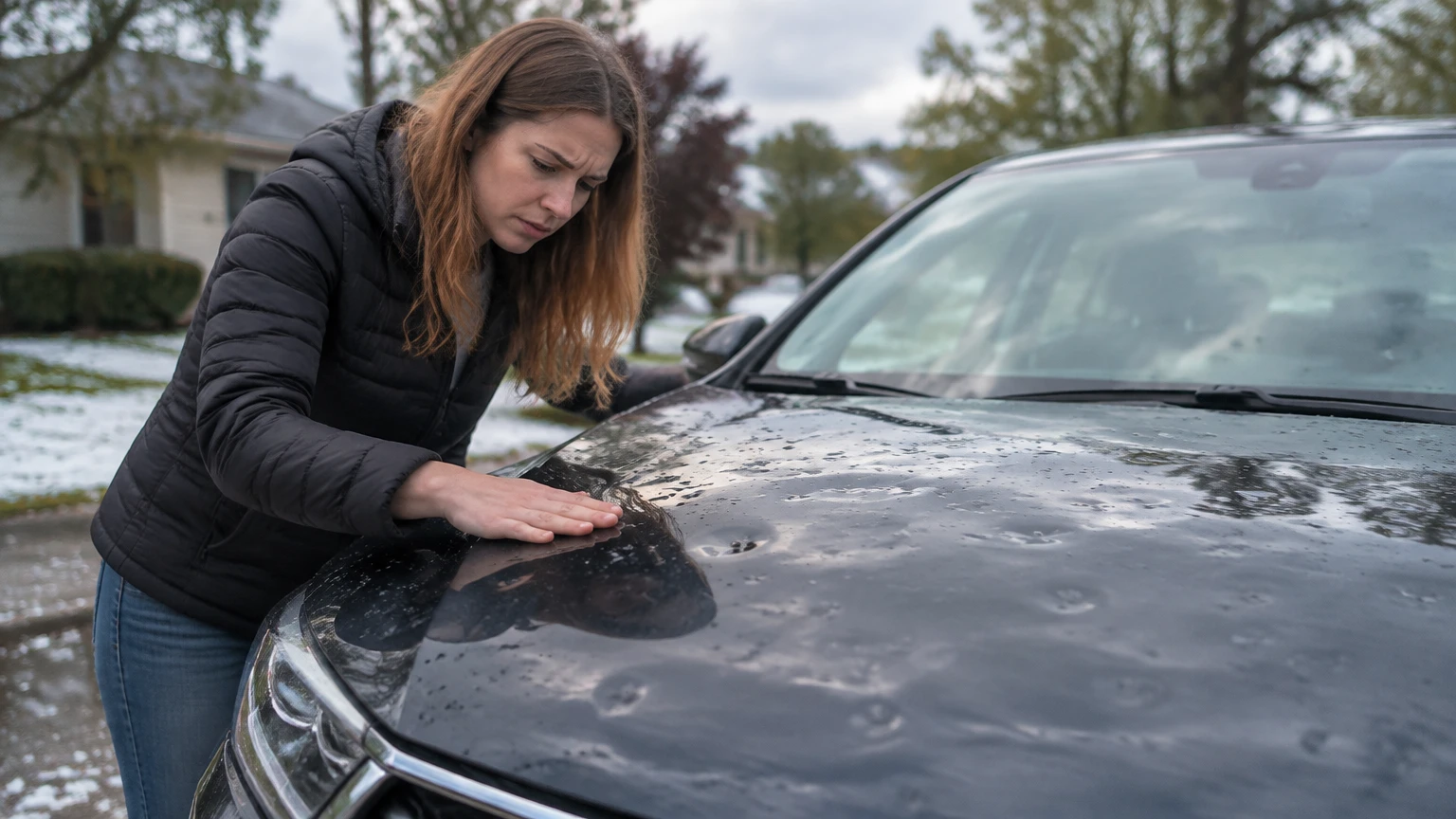
Comprehensive auto insurance covers hail damage to your insured vehicle when the damage is accidental, weather-related, and within the policy period. The coverage usually applies whether the car was parked at home, driven during the storm, or sitting in a workplace parking lot.
Hail is generally treated as a non-collision event. Comprehensive coverage commonly also addresses theft, fire, falling objects, vandalism, flooding, and animal strikes. The exact contract controls, so a declaration page showing “comprehensive” is useful but does not replace reading exclusions and conditions.
A liability policy protects other people when you cause bodily injury or property damage. It does not repair your own car after hail. Collision coverage addresses impact with another vehicle or object, not ice falling from a storm.
Which Coverage Pays for Hail Damage?
| Coverage | Hail to your car | Typical deductible | Main function |
|---|---|---|---|
| Comprehensive | Yes | $100-$2,000 | Weather, theft, fire, falling objects |
| Liability property damage | No | Usually $0 | Damage you cause to another person’s property |
| Collision | Usually no | $250-$2,000 | Impact with vehicles or objects |
| Rental reimbursement | No direct repair payment | Usually none | Temporary transportation during covered repairs |
| Glass endorsement | Sometimes | $0-$250 or comprehensive deductible | Certain windshield or window damage |
The policy may classify glass claims differently from body-panel claims. Some insurers offer a separate glass endorsement or a full-glass option, but availability and rules vary by state and carrier.
How Does Hail Insurance Coverage Work?
Hail coverage works by paying the covered repair cost above the comprehensive deductible, subject to the policy limit and the vehicle’s actual cash value. For example, a $4,000 covered repair with a $500 deductible generally produces a $3,500 insurer payment before any policy-specific adjustments.
The insurer normally inspects the vehicle, prepares an estimate, and authorizes repairs. A body shop can identify hidden damage and submit a supplement when disassembly reveals additional covered work. The original estimate is not always the final repair amount.
Hail damage is usually one comprehensive occurrence, even when dozens of dents appear across the hood, roof, doors, trunk, and fenders. Ask the adjuster how the carrier defines the loss and whether a later storm would be handled as a separate claim.
What Does the Deductible Mean?
The deductible is the amount the policyholder pays before comprehensive coverage contributes. A $1,000 deductible on a $2,400 repair leaves approximately $1,400 payable by the insurer, while a $500 deductible leaves approximately $1,900 payable.
| Repair estimate | $250 deductible | $500 deductible | $1,000 deductible |
|---|---|---|---|
| $800 | $550 insurer payment | $300 insurer payment | $0 insurer payment |
| $2,000 | $1,750 | $1,500 | $1,000 |
| $4,500 | $4,250 | $4,000 | $3,500 |
| $8,000 | $7,750 | $7,500 | $7,000 |
A deductible does not change the damage estimate. It changes the portion transferred from the insurer to the policyholder. If the repair bill is close to the deductible, obtain an estimate before filing when the insurer and state rules permit that approach.
What Is the Claim Limit?
The practical claim limit for a damaged vehicle is generally its actual cash value, less the deductible, rather than an unlimited repair budget. Actual cash value reflects market value immediately before the loss, using factors such as mileage, trim, condition, local comparable vehicles, and prior damage.
A vehicle worth $9,000 with a $1,000 deductible may have a maximum physical-damage payment near $8,000. State total-loss thresholds, insurer procedures, taxes, title fees, and valuation methodology can alter the final settlement.
How Much Does Hail Damage Cost?
Typical hail repairs range from roughly $500 for limited shallow dents to more than $10,000 for severe damage involving multiple panels, broken glass, paint failure, sensors, and structural components. Repair prices vary by dent count, panel access, vehicle material, labor rates, calibration requirements, and regional shop demand.
| Damage pattern | Typical repair range | Typical time | Common method |
|---|---|---|---|
| 5-15 shallow roof or hood dents | $500-$1,500 | 1-3 days | PDR |
| 20-60 dents across several panels | $1,500-$4,500 | 3-7 days | PDR |
| Deep dents with cracked paint | $3,500-$8,000 | 1-3 weeks | Bodywork and paint |
| Broken windshield or sunroof | $300-$2,500 | Same day to 3 days | Glass replacement |
| Severe multi-panel damage | $7,000-$15,000+ | 2-8 weeks | Mixed repair or total loss |
These are typical industry planning ranges, not guaranteed prices. Luxury vehicles, aluminum panels, panoramic roofs, advanced driver-assistance sensors, and scarce replacement parts can push estimates higher.
Should You File a Hail Claim?
Filing is usually financially sensible when the repair estimate substantially exceeds the deductible and the damage could worsen or reduce the vehicle’s value. A $3,500 repair with a $500 deductible presents a clearer claim decision than a $700 repair with a $1,000 deductible.
Do not delay solely because the vehicle remains drivable. Hail can damage paint, seals, cameras, radar brackets, glass, and weather stripping even when the engine and tires operate normally. Photograph the vehicle first and ask the insurer whether a preliminary inspection is available before opening a formal claim.
An insurer cannot lawfully guarantee that a claim will never affect rates in every jurisdiction. Comprehensive claims may receive different treatment from at-fault collision claims, but multiple claims, catastrophe losses, and regional underwriting can still influence future pricing.
How Do You File a Hail Damage Claim?
File a hail claim by preserving evidence, notifying the insurer, preventing additional damage, attending the inspection, and reviewing the repair estimate before authorizing work. The strongest evidence connects the vehicle’s condition to a specific storm date, location, and policy period.
Step 1: Document the Vehicle
Photograph every affected panel in daylight after washing the vehicle, then take wider images showing the entire car and its location. Capture broken glass, paint chips, cracked lights, water intrusion, and interior damage. Save the date, storm location, weather alerts, and any nearby photographs showing hail size.
Do not repair or remove damaged parts before inspection unless temporary action prevents further loss. Keep invoices for tarping, towing, emergency glass protection, or other reasonable mitigation.
Step 2: Notify the Insurer Promptly
Use the insurer’s app, website, phone line, or agent to report the loss. Provide the storm date, storage location, vehicle mileage, visible damage, and whether the car is safe to drive.
Catastrophe events can create inspection and body-shop backlogs. Early notice helps establish the timeline, although filing speed does not replace policy compliance or complete evidence.
Step 3: Prevent Further Damage
Cover a broken window or sunroof with temporary plastic and tape, keep water away from exposed electronics, and avoid driving if glass or body parts create a safety hazard. Insurers may question avoidable interior or electrical damage that occurred after the original storm.
Temporary protection is not a permanent repair. Do not use adhesive that damages paint or seals unless the emergency requires it.
Step 4: Attend the Inspection
Clean panels allow shallow dents to be seen, but do not polish, fill, or repaint them before the adjuster examines the vehicle. An adjuster may use specialized lighting, dent-counting methods, photographs, or digital estimating systems.
Compare the estimate with the vehicle. Check the roof, hood, trunk, pillars, mirror housings, lamps, glass, moldings, wheel openings, and sensors rather than focusing only on obvious dents.
Step 5: Review Supplements
A supplement is an additional estimate for covered damage discovered after the initial inspection or during disassembly. Ask the repair shop to send supplements directly to the insurer with photographs, part numbers, labor operations, and calibration requirements.
Never authorize unpriced work solely because a shop promises that insurance will pay. Obtain written confirmation when a disputed item affects safety or the final bill.
Step 6: Authorize Repair and Pay the Deductible
You generally have the right to choose a licensed repair shop, although a carrier may recommend a network shop with warranty terms. The deductible is normally paid to the shop, while the insurer pays its covered share.
A lender or leasing company may appear on the claim payment because it has a financial interest in the vehicle. Do not endorse or deposit a joint check without understanding the lender’s process.
Which Repair Method Is Best?
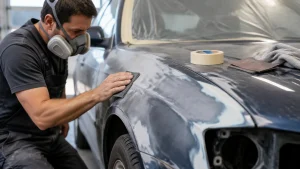
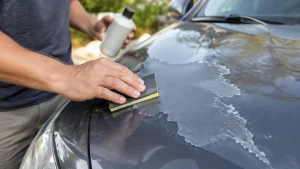
Paintless dent repair is usually best for shallow hail dents when the factory paint remains intact and the technician can reach the back of the panel. Conventional bodywork is necessary when hail stretches metal, cracks paint, damages panel edges, or affects parts that cannot be restored with controlled access.
| Repair method | Suitable damage | Typical time | Main limitation |
|---|---|---|---|
| Paintless dent repair | Shallow dents, intact paint | 1-7 days | Cannot restore cracked paint or badly stretched metal |
| Conventional bodywork | Deep dents, torn panels, paint damage | 1-3 weeks | More labor, paint, and color-matching risk |
| Panel replacement | Severe deformation or unavailable repair access | 1-4 weeks | Higher parts cost and possible calibration |
| Glass replacement | Cracked windshield, window, or sunroof | Same day to 3 days | Camera recalibration may add cost and time |
PDR preserves the original paint and often reduces labor and resale concerns. It is not suitable for every dent, especially when a roof rail, reinforcement, or aluminum panel prevents proper access.
An important practitioner rule is to ask whether camera or radar calibration is included. A windshield replacement on a vehicle with lane-keeping or automatic emergency braking may require manufacturer-specified calibration, and an insurer’s initial estimate may omit that operation.
How Long Do Hail Repairs Take?
Minor hail repairs often take 1-7 business days, while severe regional storms can create shop backlogs lasting 4-8 weeks. The repair itself may be short, but inspection scheduling, parts availability, supplements, paint work, and sensor calibration determine the total delay.
| Claim stage | Typical duration | Main delay |
|---|---|---|
| First notice to inspection | 1-14 days | Catastrophe claim volume |
| Inspection to authorization | 1-7 days | Estimate review or coverage questions |
| PDR repair | 1-7 business days | Dent volume and technician availability |
| Bodywork and paint | 1-3 weeks | Parts, paint curing, supplements |
| Total-loss settlement | 1-4 weeks | Valuation, title, lender paperwork |
Rental reimbursement pays for transportation only if the policy includes that coverage and the loss qualifies. Check the daily and total limits, such as $30 per day with a $900 maximum, before renting a large replacement vehicle.
What If Hail Damage Totals the Car?
An insurer may declare a hail-damaged vehicle a total loss when the estimated repair cost reaches the applicable state threshold or approaches the vehicle’s actual cash value. A cosmetic loss can therefore total an older vehicle even when the car drives normally.
The settlement usually starts with the pre-loss actual cash value, then subtracts the deductible and any applicable salvage adjustment. Review the valuation report for mileage, trim, options, prior damage, comparable vehicles, sales tax, and title fees.
You can challenge a low valuation with local listings, dealer documentation, maintenance records, option sheets, and evidence of incorrect mileage or trim. A lender is paid first from the settlement when the loan balance exceeds the vehicle value, leaving the owner responsible for any shortfall unless gap insurance applies.
Can You Keep a Total-Loss Vehicle?
You may be able to retain a totaled vehicle, depending on state law and insurer rules, but the settlement is reduced by the vehicle’s salvage value and the car may receive a salvage or rebuilt title. That title can reduce resale value, restrict financing, and complicate future insurance.
Owner-retained salvage makes sense only when repair costs, inspection requirements, title fees, and reduced market value are fully understood. A dented car that remains safe to drive is not automatically economical to keep.
Can a Hail Claim Raise Your Premium?
A comprehensive hail claim can affect future insurance pricing, but the effect depends on state law, insurer underwriting, claim history, and regional catastrophe losses. Weather claims are generally treated differently from at-fault crashes, yet insurers can adjust rates for an area experiencing repeated hail events.
A single comprehensive claim may have little or no individual surcharge with some carriers. Multiple claims in a short period can affect eligibility, renewal pricing, or underwriting even when no claim was caused by the driver.
Ask the agent three specific questions before dropping coverage: how comprehensive claims are rated, whether claim frequency affects renewal, and whether the carrier uses catastrophe-area pricing. Verbal assurances should be confirmed in writing when possible.
Does Insurance Cover Hail-Damaged Glass?
Comprehensive coverage commonly covers hail-cracked windshields, side windows, and sunroofs, but the deductible may be the standard comprehensive amount unless the policy includes a separate glass endorsement. Some states regulate glass coverage and repair practices, so the applicable rule depends on the vehicle’s garaging location and policy form.
| Glass situation | Likely coverage path | Possible out-of-pocket cost | Extra issue |
|---|---|---|---|
| Windshield cracked by hail | Comprehensive | $0-$1,000 | ADAS calibration |
| Side window shattered | Comprehensive | $0-$1,000 | Interior water damage |
| Glass-only endorsement | Glass coverage | $0-$250 | State and carrier availability |
| Pre-existing crack | Often excluded | Full repair cost | Causation dispute |
A glass-only claim may be cheaper than a full-body claim when the policy has a special glass deductible. Do not assume a $0 glass deductible applies to roof dents or other hail damage.
Does Location Change Hail Coverage?
Location changes hail exposure, pricing, repair availability, and state total-loss rules, but it does not usually change the basic requirement for comprehensive coverage. Texas, Colorado, Nebraska, Oklahoma, and parts of the Midwest experience frequent severe hail, while local policy forms and deductibles still control payment.
Hail-prone drivers should compare a $250, $500, and $1,000 comprehensive deductible against the annual premium difference. A $300 annual premium saving from a higher deductible takes about 1.7 years to equal a $500 deductible increase.
Garage parking, a covered carport, and timely storm protection can reduce exposure. A generic car cover is not automatically safe during severe weather because wind movement can abrade paint or create its own damage.
Common Hail Claim Mistakes
- Waiting months to report the storm: Delay makes it harder to connect dents to one event and increases the chance of unrelated damage.
- Accepting the first estimate as final: Hidden damage and calibration work may appear only after disassembly.
- Choosing a repair shop from a door-to-door solicitor: Verify licensing, written estimates, insurance coordination, warranty terms, and whether the shop uses assignment-of-benefits documents.
- Signing an unlimited repair authorization: Require a written scope, supplement process, and payment responsibilities.
- Ignoring prior damage: Photograph and disclose old dents because insurers generally pay only for new covered damage.
- Taking cash without checking lender rights: A financed vehicle may require lender approval, and an unrepaired loss can complicate later claims.
- Skipping a safety inspection after glass replacement: Confirm that cameras, radar, trim, seals, and defroster functions work before accepting the vehicle.
An honest limitation matters here: no article can determine coverage without the declarations page, policy wording, state law, loss date, and damage evidence. The insurer’s estimate is also not a mechanical diagnosis, so safety systems require separate verification.
Should You Drop Comprehensive Coverage on an Older Car?
Dropping comprehensive coverage can be reasonable when the vehicle’s actual cash value is low, the premium is substantial, the deductible is high, and the owner can absorb a total loss. It is usually not reasonable when a lender requires the coverage or when replacing the vehicle would create financial hardship.
| Driver situation | Sensible starting point | Main calculation | Caution |
|---|---|---|---|
| Financed vehicle | Keep comprehensive | Lender requirement and deductible | Gap may still be needed |
| Leased vehicle | Keep required limits | Lease contract | Unrepaired damage can violate terms |
| Owned vehicle worth $3,000 | Compare premium and deductible | Net payout after deductible | Self-insurance may be practical |
| Vehicle worth $15,000 | Keep comprehensive | Replacement exposure | Hail-prone area raises risk |
| High-frequency hail area | $250-$500 deductible if affordable | Claim probability and cash reserve | Premium may be higher |
The correct comparison is not the vehicle’s original purchase price. It is the current replacement cost, the likely claim payment, and the cash available after a storm.
Frequently Asked Questions
Does hail damage count as an accident?
Hail damage is generally classified as a comprehensive loss rather than an at-fault accident because the driver did not cause the weather event. Insurers may still record the claim in the vehicle’s claims history, and state or carrier rules determine whether it affects renewal pricing.
Can I claim hail damage without proof of hail?
You can report suspected hail damage without a photograph of hailstones, but proof improves the claim. Useful evidence includes storm-date weather records, nearby vehicle damage, photographs, repair estimates, and a consistent dent pattern. The insurer may inspect the vehicle and compare the damage with known catastrophe activity.
Does hail damage reduce a car’s value after repair?
Properly repaired hail damage can reduce value less than unrepaired dents, but the result depends on paintwork, panel replacement, repair records, title branding, and buyer perception. A vehicle with a clean title and documented PDR may retain more value than one with extensive repainting or an insurance total-loss history.
Can I repair hail damage myself and get reimbursed?
Self-repair reimbursement is not guaranteed. The insurer may require an inspection, approved estimate, receipts, photographs, and proof that the work restored the vehicle properly. DIY repairs can also affect safety systems, corrosion protection, paint quality, and future claims, so obtain written approval before beginning.
Does hail damage affect the vehicle’s title?
Ordinary hail repair does not automatically create a branded title. If the insurer declares the vehicle a total loss, state law may require a salvage or rebuilt title, even when the damage is mostly cosmetic. Title treatment depends on the settlement process and jurisdiction.
The Bottom Line
Does Car Insurance Cover Hail Damage? Yes, comprehensive coverage usually pays for covered hail damage after the deductible, while liability-only and collision coverage generally do not. Confirm the policy was active on the storm date, document every damaged component, prevent additional water damage, and compare the repair estimate with the vehicle’s actual cash value before choosing a claim or total-loss settlement.