Collision Repair
A collision repair restores a vehicle that has been damaged in a crash. The work usually starts with an assessment of what the impact moved, bent, cracked, or scraped, and it ends when the vehicle is structurally sound and cosmetically whole again. Grand National Collision is an auto body shop at 2223 Jericho Tpke in New Hyde Park, and the current scope for any specific vehicle should be confirmed by phone.
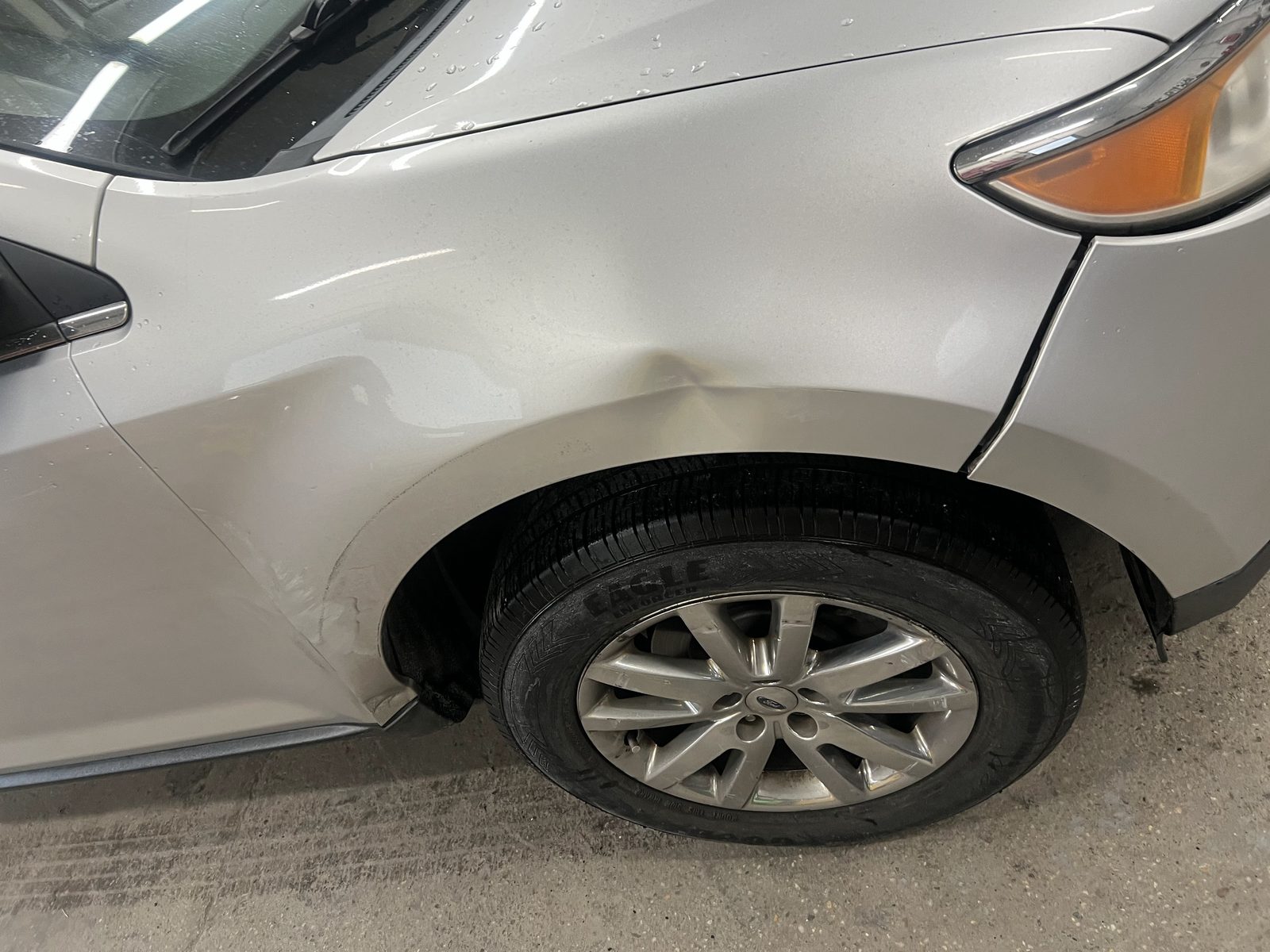
Collision repair after an impact
A collision repair restores a vehicle that has been damaged in a crash. The work usually starts with an assessment of what the impact moved, bent, cracked, or scraped, and it ends when the vehicle is structurally sound and cosmetically whole again. Grand National Collision is an auto body shop at 2223 Jericho Tpke in New Hyde Park, and the current scope for any specific vehicle should be confirmed by phone.
Collision repair fits any driver dealing with damage from a crash: a low-speed parking-lot impact, a rear-end collision on Jericho Turnpike, a side swipe, or a heavier hit that moved panels and suspension. The repair is not only about appearance. A collision can distort mounting points, misalign a door or hood, crack a lamp housing, or push the structure out of position, so a proper repair starts by understanding everything the impact affected.
Drivers often arrive with two separate questions. The first is safety: is the vehicle safe to drive, and is anything structural involved? The second is cosmetic: how will the panels, paint, and trim be brought back to a consistent finish? A collision repair answers both, in that order, because straightening and panel alignment come before finish work.
This page explains what a collision repair generally covers and what changes the scope. It does not quote a price or promise a turnaround. The condition of the vehicle, the parts involved, and the assessment all belong to a direct conversation with the shop.
What this service generally includes
- Damage assessment. The shop looks at how the impact affected panels, lamps, mounting points, and the surrounding structure before planning the work.
- Panel repair or replacement. Dented or creased panels are either repaired or replaced depending on the damage and the panel construction.
- Alignment check. Mounting points and panel gaps are checked so doors, hood, and trunk close correctly after the repair.
- Parts coordination. Any replacement parts needed for the repair are identified and coordinated as part of the job.
- Refinishing. Repaired and replaced panels are prepared and refinished to match the surrounding paint.
- Reassembly and check. Trim, lamps, and hardware are refitted, and the vehicle is checked before it is returned.
What affects scope and timing
The single biggest factor is how deep the damage goes. Cosmetic damage to an outer panel is a different job from damage that reaches the structure, the suspension, or the cooling system. Two vehicles with similar-looking damage can need very different work once the shop looks underneath.
Parts availability also changes timing. Late-model vehicles and certain trim levels may need specific parts, and sourcing them can take longer than the repair itself. Paint work adds time as well, because modern finishes require mixing, test panels, and drying between stages.
How to prepare
Before the visit, gather as much documentation as you can: the police report or exchange information, the other driver insurance details if another vehicle was involved, and photos taken at the scene. Photos are especially useful because they capture damage before a temporary repair or a car wash changes how it looks.
Drive the vehicle only if it is safe. If a wheel is pushed, a headlamp is broken, or a door will not latch, have it brought in on a flatbed instead of driving it. Tell the shop about any warning lights, leaks, or noises you noticed after the impact, since those details point to damage that is not visible from outside.
After the visit
After the repair, review the work in daylight and check that panels align, doors and the hood close cleanly, and lamps and trim sit flush. Raise any concern with the shop before you settle the claim, so it can be addressed while the file is still open.
Assessment comes before the estimate
A collision repair estimate is only as good as the assessment behind it. A quick look from outside can miss hidden damage behind a bumper cover, inside a wheel well, or under a panel. That is why a responsible estimate often grows once the vehicle is disassembled and the full picture is visible.
It is reasonable to ask how the shop handles a supplement if hidden damage is found after work begins. A clear answer explains how the additional work is documented, approved by the insurer, and communicated to you before it proceeds.
Questions people ask about collision repair
Can I drive my car after a collision?
Only if it is safe. If steering, braking, lights, or door latches are affected, have the vehicle towed rather than driven.
Do you work with insurance?
The shop is an auto body shop at 2223 Jericho Tpke. Ask directly about insurance claim assistance and what documentation it needs from you.
How long does a collision repair take?
Timing depends on the damage, the parts, and the paint work. A realistic estimate follows an assessment, not a phone description.
Start with the damage in front of you
Call Grand National Collision at (516) 294-0019 to describe the damage and confirm current hours, scope, and how insurance is handled before you travel.