Auto Body Repair & Refinishing
Auto body repair handles damage to a vehicle's outer panels and the finish on top of them. Refinishing is the paint work that follows: preparing the surface, matching the color, and applying a finish that blends with the rest of the vehicle. Grand National Collision works in this trade at 2223 Jericho Tpke in New Hyde Park, and the exact scope for a specific vehicle is confirmed after the shop sees it.
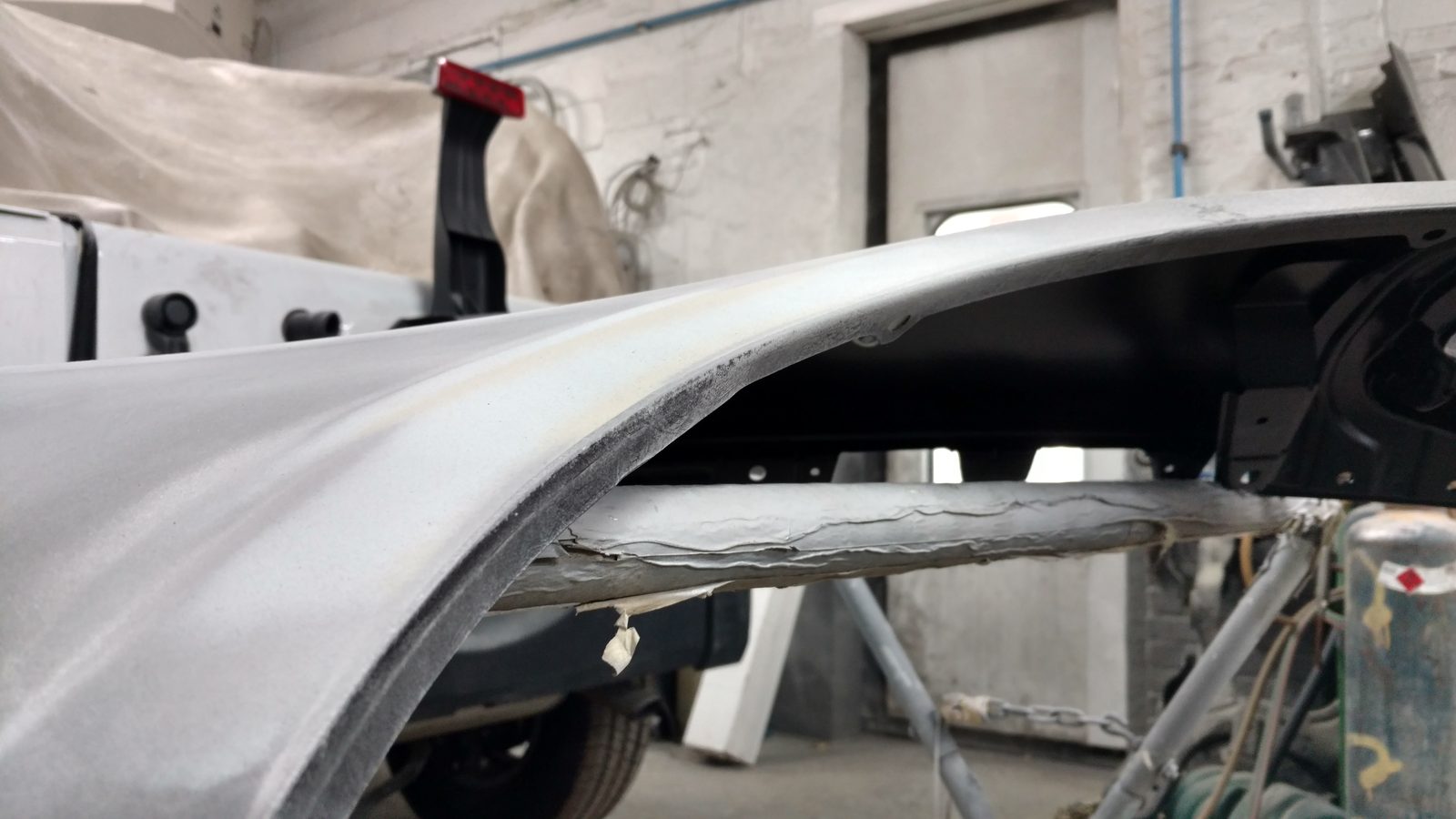
Body panel repair and refinishing
Auto body repair handles damage to a vehicle's outer panels and the finish on top of them. Refinishing is the paint work that follows: preparing the surface, matching the color, and applying a finish that blends with the rest of the vehicle. Grand National Collision works in this trade at 2223 Jericho Tpke in New Hyde Park, and the exact scope for a specific vehicle is confirmed after the shop sees it.
Body and refinish work fits a wide range of situations. A door with a deep crease, a quarter panel with a sharp dent, a fender that was scraped against a pillar, or a hood with hail-like dimples are all candidates. So are older repairs where the clear coat has started to fail, leaving a dull or peeling patch that no amount of washing will fix.
Refinishing is not the same as a car wash or a polishing detail. Polishing removes a thin layer of surface defects; refinishing removes the old finish, repairs the panel underneath, and builds a new finish. They solve different problems, and a scratch that has cut through the clear coat needs the second approach.
Mechanical repair is a separate trade. If a vehicle needs engine, transmission, brake, or suspension work, body and paint work will not substitute for it. This page is about the panels and the finish, and it says so plainly so a reader does not expect the wrong result.
What this service generally includes
- Panel straightening. Metal is worked back toward its original shape, using the panel construction and the damage pattern as a guide.
- Panel replacement. When a panel is too stretched, torn, or thin to repair well, a replacement panel is fitted and aligned.
- Surface preparation. The panel is cleaned, stripped where needed, and sanded so the repair materials bond correctly.
- Primer and sealer. Primer and sealer build a stable base and help isolate the repair from the layers above it.
- Color and clear coat. Base color is applied to match the vehicle, then clear coat protects the finish and gives it depth.
- Blending. Where a full repaint is not needed, adjacent panels may be blended so the repair is not an obvious patch.
What affects scope and timing
The depth and location of the damage drive the plan. A shallow dent in the middle of a flat door panel is easier to work than a crease that runs across a character line or into a seam. Edges, body lines, and curved surfaces each behave differently under repair.
Paint condition is the second factor. A vehicle with healthy factory paint can often be blended; a vehicle with faded, peeling, or previously mismatched paint may need a larger area refinished so the result is consistent. Color also matters: some factory colors are harder to match than others, and some finishes, such as tri-coats and pearls, need extra steps.
How to prepare
Wash the vehicle before the visit, or bring it as clean as practical. Dirt and road film hide small dents and scratches, and a clean surface lets the shop see the true extent of the damage. Point out every area of concern, including ones you consider minor, so the assessment covers all of it.
Bring any history that matters: a previous repair, a repaint, or a recent incident. If the vehicle has been repaired before, tell the shop, because hidden filler or prior paint work changes how the current panel behaves.
After the visit
Expect a repair to look different over the first weeks as the finish cures. Avoid harsh automatic brushes and aggressive chemicals for a time after refinishing, and follow any specific aftercare the shop provides, since curing guidance can vary with the products used.
Repair versus replace
One of the first decisions in body work is whether to repair a panel or replace it. Repair preserves the original, factory-fitted part and can be the better result when the metal is sound. Replacement makes sense when a panel is too damaged, too stretched, or too corroded to restore reliably.
The honest answer depends on the specific panel and the specific damage. A shop that explains why it recommends one path over the other, and what that means for cost and timing, is giving the customer the information needed to agree to the plan.
Questions people ask about auto body repair & refinishing
Will the paint match exactly?
Modern color matching starts from the factory code and is tuned to the vehicle. Some colors and finishes are harder to match, and blending adjacent panels helps the repair disappear.
Can you fix a dent without painting?
Sometimes, if the paint is intact and the panel is accessible, a paintless approach may work. That is a case-by-case judgment.
Do you repair or replace panels?
Both approaches are used depending on the damage. Ask the shop which it recommends for your vehicle and why.
Start with the damage in front of you
Call Grand National Collision at (516) 294-0019 to describe the damage and confirm current hours, scope, and how insurance is handled before you travel.