Auto Body Painting & Color Matching
Painting is the visible half of a body repair, and color matching is what makes it work. A repaired panel that is mechanically sound but the wrong shade is still an unfinished job. Grand National Collision refinishes vehicles at 2223 Jericho Tpke in New Hyde Park, and color matching is treated as its own discipline rather than an afterthought.
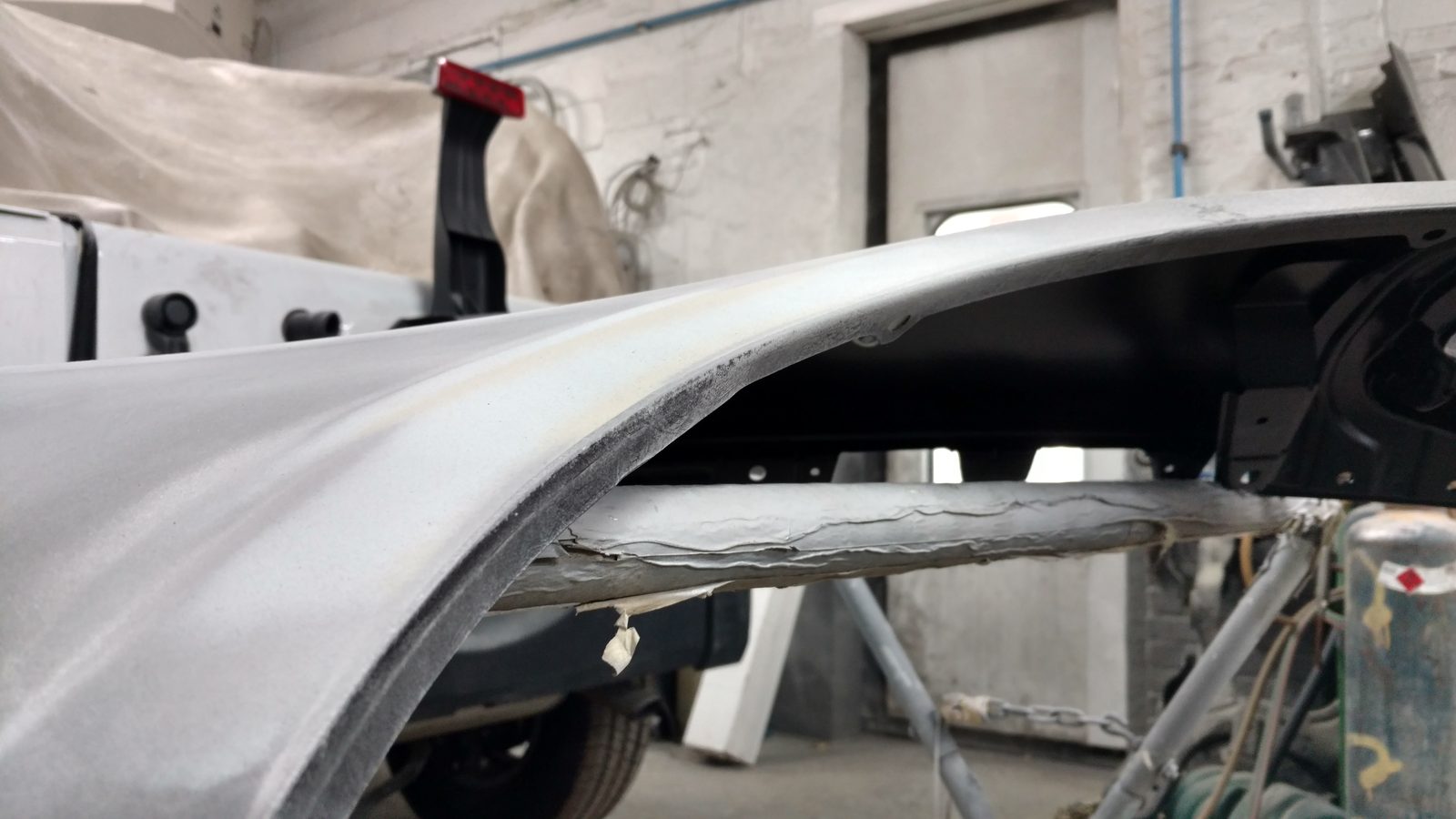
Auto body painting and color matching
Painting is the visible half of a body repair, and color matching is what makes it work. A repaired panel that is mechanically sound but the wrong shade is still an unfinished job. Grand National Collision refinishes vehicles at 2223 Jericho Tpke in New Hyde Park, and color matching is treated as its own discipline rather than an afterthought.
Color matching matters to anyone having a panel repaired or repainted: a fender after a collision, a door after a ding, or a bumper after a scrape. It also matters when a vehicle has faded unevenly, because the same factory color on a sun-exposed panel may no longer read the same as the paint under a seal or on a roof.
A factory color code is a starting point, not a guarantee. Paint changes with age, exposure, and the specific batch used at the factory. A technician who mixes strictly to the code may still be off on a vehicle that has spent years in the sun, which is why the process includes checking the mix against the actual vehicle.
This page explains how color matching generally works and why blending is used. It does not claim that any color can be matched perfectly in every condition, because lighting and finish type both affect what the eye sees.
What this service generally includes
- Factory code lookup. The vehicle paint code is the starting point for the mix.
- Mix and test panel. A sample is sprayed and compared against the vehicle so the tint can be adjusted before the full panel is painted.
- Panel preparation. The repair area is cleaned, sanded, and primed so the paint bonds and the surface is smooth.
- Sealer and base coat. A sealer is applied where needed, followed by the base color to build the correct shade.
- Clear coat. Clear coat protects the color and provides the gloss and depth of the finish.
- Blending. Where needed, adjacent panels are blended so the repair does not read as a separate patch.
What affects scope and timing
The finish type is a major factor. Solid colors are generally more forgiving, while metallic, pearl, and tri-coat finishes involve more layers and are more sensitive to application. The more complex the finish, the more careful the mixing and blending need to be.
The age and condition of the surrounding paint also matter. A panel painted to a perfect factory shade can look slightly different next to a vehicle whose other panels have aged. Blending into the neighboring panels is the common way to make the transition look natural.
How to prepare
Bring the vehicle clean if possible, so the shop can read the paint accurately. If you know the paint code, share it, but do not worry if you do not: the code is usually found on a door jamb, under the hood, or in the vehicle documentation, and the shop can locate it.
Mention any previous paint work on the vehicle. Earlier repairs, a repaint, or a custom tint change how the current color should be matched, and hiding that history only makes the result harder to get right.
After the visit
New paint continues to cure after you leave. Follow the shop's guidance on when it is safe to wash, wax, or use an automatic car wash, since these steps differ from product to product and from shop to shop.
Why blending is used
Two panels of the same color can look different even when they are painted from the same mix. Angle, lighting, and the amount of clear coat all change how the eye reads the surface. Blending softens the boundary between the repaired panel and its neighbors so no hard edge gives the repair away.
None of this makes a repair invisible under every light and every angle. The goal is a finish that looks natural in normal conditions, with no obvious color break between the repaired area and the rest of the vehicle.
Questions people ask about auto body painting & color matching
Do you need the paint code?
It helps, but it is only a starting point. The mix is checked against the actual vehicle because paint changes with age.
Why not paint the whole car?
A full repaint is sometimes the right answer, but it is usually unnecessary. Matching and blending the affected area is the more common and economical path.
How long before I can wash the car?
It depends on the products and the shop's guidance. Ask for specific aftercare instructions before you pick up the vehicle.
Start with the damage in front of you
Call Grand National Collision at (516) 294-0019 to describe the damage and confirm current hours, scope, and how insurance is handled before you travel.