Paintless Dent Repair
Paintless dent repair, often shortened to PDR, removes certain dents by working the metal back into shape from behind the panel instead of sanding and repainting it. The method depends on the paint being intact and the panel being accessible, which is why not every dent qualifies. Grand National Collision is an auto body shop on Jericho Turnpike, and whether a specific dent is a candidate for a paintless approach is a question for the shop.
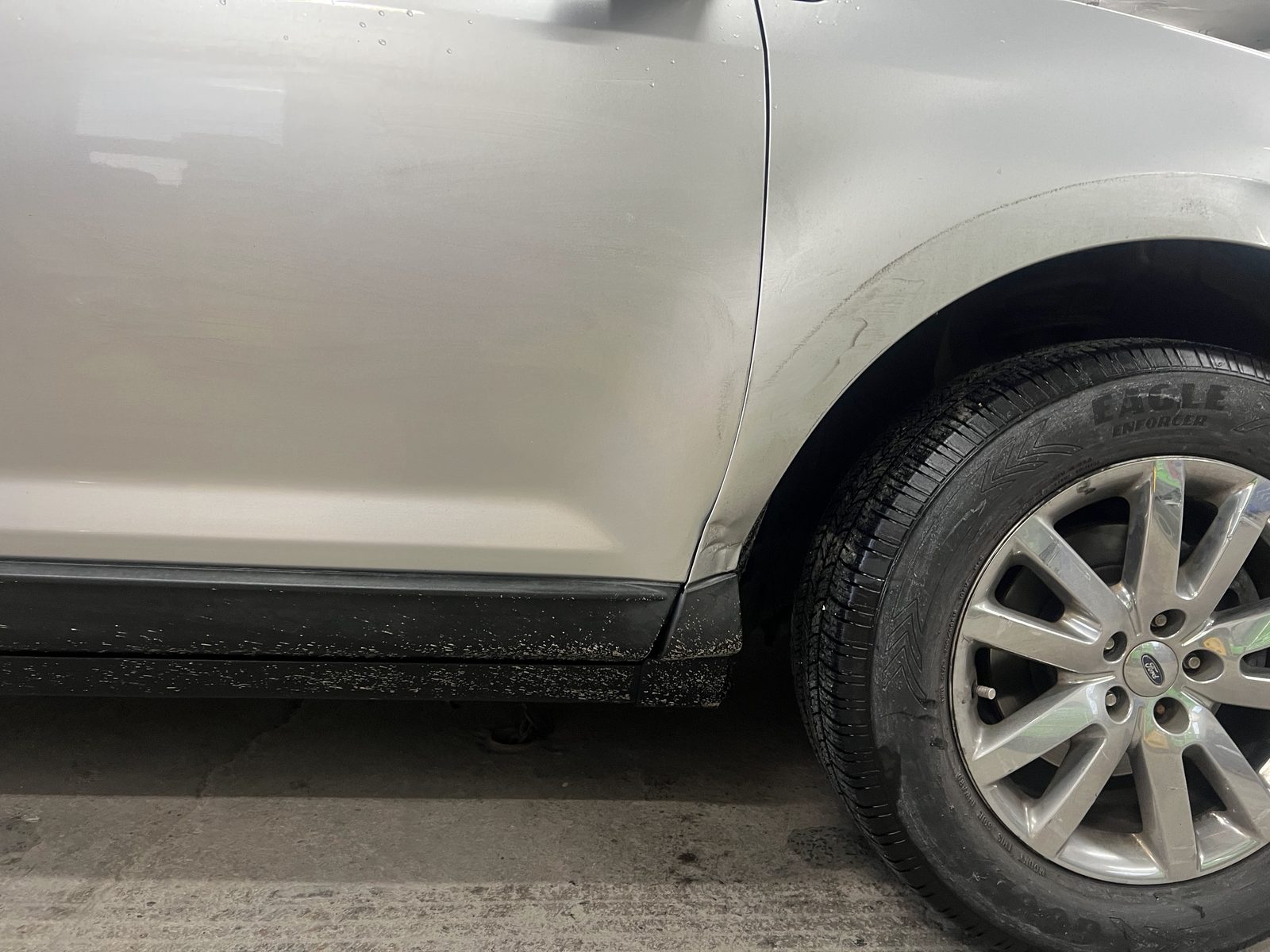
Paintless dent repair, explained
Paintless dent repair, often shortened to PDR, removes certain dents by working the metal back into shape from behind the panel instead of sanding and repainting it. The method depends on the paint being intact and the panel being accessible, which is why not every dent qualifies. Grand National Collision is an auto body shop on Jericho Turnpike, and whether a specific dent is a candidate for a paintless approach is a question for the shop.
Paintless dent repair suits dents where the metal has been pushed in but the paint has not cracked or lifted. Common examples are hail dents, door dings from a parking lot, and shallow dents on a hood or roof. Because the original finish stays in place, there is no color matching to worry about and no new paint to cure.
The method is not magic, and it is not universal. If the paint is cracked, if the metal is stretched across a crease, or if the panel is blocked from behind, a paintless approach may not be possible. A dent on a panel edge or directly over a reinforcement is much harder to work than a soft dent in the middle of a panel.
This page explains how PDR generally works and when it tends to be the right call, while leaving the judgment about a specific vehicle to the shop. A hands-on look is what separates a candidate from a case that needs traditional body and paint work.
What this service generally includes
- Paint stays original. The existing finish is preserved, which avoids color matching and paint cure time.
- Access matters. The technician needs a path to the back of the panel, often through an inner trim panel or an existing opening.
- Gradual metal movement. The dent is worked out in small steps so the metal returns toward its original contour rather than being overworked.
- Light and reflection. Specialty lighting and reflection boards help the technician read the panel surface and see the remaining low and high spots.
- Hail and parking dents. PDR is commonly used for hail damage and parking-lot door dings, where the paint is usually intact.
- Not for every dent. Cracked paint, sharp creases, stretched metal, and inaccessible panels may need traditional repair instead.
What affects scope and timing
How the dent was made changes the odds. A soft push from a shopping cart behaves differently from a sharp impact against a post, and a crease that has a hard edge is harder to remove cleanly than a rounded dent. The size of the dent matters less than its shape, depth, and location.
Panel material and access are the other variables. Aluminum and high-strength steel can behave differently from mild steel, and a panel with a reinforcement or a wiring harness directly behind the dent limits how the technician can work. That is why an in-person look, not a photo, decides whether PDR is the right method.
How to prepare
A clear photo taken from a few angles helps the shop give a first opinion before you visit, though the final call comes from seeing the vehicle. If the dent is near glass, a lamp, or a seam, mention that, because those areas change how the repair is approached.
Leave the panel as it is. Do not try to pry a dent out yourself, and do not apply heat or a suction tool, because a failed attempt can crack the paint or stretch the metal and turn a paintless candidate into a refinish job.
After the visit
Keep an eye on the repaired area in the following days and note any change. A paintless repair that was done correctly should leave the panel smooth with the original finish still intact, and any concern is easier to address when it is raised promptly.
What makes a good candidate
The best candidates for paintless repair share a few traits: the paint is unbroken, the metal is not badly stretched, and the back of the panel can be reached. When those conditions line up, the result can be excellent and the process is often faster than repainting.
When they do not line up, the honest answer is that a traditional repair will look better and last longer. A shop that tells you a dent is not a PDR candidate is protecting the result, not turning away work.
Questions people ask about paintless dent repair
Does PDR work on any dent?
No. It depends on intact paint, the shape of the dent, and access to the back of the panel.
Will there be any paint work?
When PDR is possible, the original paint stays in place, so there is no color matching or repainting involved.
How is the result judged?
Under proper lighting, the panel should read smooth and the surrounding reflection lines should run straight.
Start with the damage in front of you
Call Grand National Collision at (516) 294-0019 to describe the damage and confirm current hours, scope, and how insurance is handled before you travel.